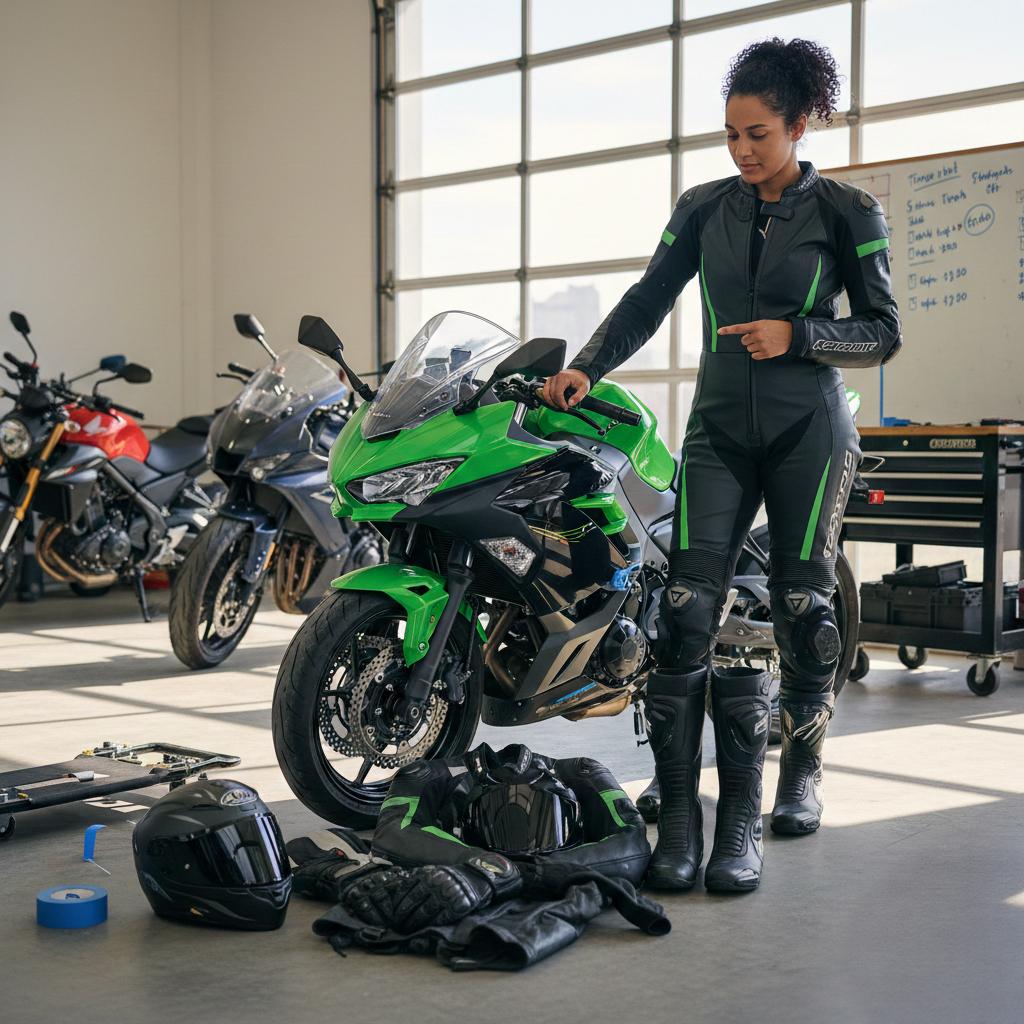
Hey everyone, it’s Dimple back again! So here’s something that absolutely nobody tells you when you first get excited about track days – that “$500 track day” everyone talks about? Yeah, that number is about as realistic as motorcycle insurance quotes that don’t make you cry. And honestly, after spending nearly a decade analyzing vehicles across every segment, I thought I understood hidden costs. But my first experience with track-day preparation? That was a masterclass in budget surprises.
What particularly fascinates me about track day costs is how the $500 figure became this magical benchmark everyone references. It’s technically true – you CAN do a track day for around $500 – but that’s like saying you can “technically” ride a 600cc sportbike as your first motorcycle. Sure, it’s possible, but let’s talk about what that actually means in the real world.
Contents
- 1 Let Me Break Down the Real $500 Track Day Myth
- 2 The Actual Track Day Registration Cost Breakdown
- 3 Bike Preparation – The Hidden Budget Killer
- 4 Safety Gear – What You Think You Have vs What You Actually Need
- 5 Transportation and Logistics – The Costs Nobody Mentions
- 6 The Complete First Track Day Budget Reality
- 7 What You Can Realistically Do With $500
- 8 Your Second Track Day – Where the Value Really Starts
- 9 Bike Choice Matters – Track Day Cost by Motorcycle Type
- 10 What About Track Day Insurance?
- 11 Frequently Asked Questions About Track Day Preparation
- 12 Is a Track Day Worth the Real Cost?
- 13 My Final Advice on Track Day Budgeting
What You Actually Need to Know:
- The $500 “track day” actually costs $850-1,200 for first-timers when you include all the essentials
- Your street bike needs $150-400 in preparation work before it’s track-ready (yes, even if it’s “perfect”)
- Track day organizations charge $200-350 for the day, with novice groups running $50-75 more for instruction
- Safety gear you already own might not meet track requirements – budget $200-600 for upgrades
- Transportation, fuel, food, and “just in case” money add another $150-300 you need to plan for
- The good news? Your second track day costs 60% less because you’ve already got the gear and prep done
Let Me Break Down the Real $500 Track Day Myth
I learned this lesson the hard way last spring when I decided to take my Ninja 650 to Thunderhill Raceway. I’d been reading forum posts about “$500 track days” and figured, cool, I’ve got $500, let’s do this. Three weeks and $1,180 later, I was finally pulling into the track parking lot. Here’s exactly where that money went, because I want to save you from my mistakes.

Track Day Registration
Bike Prep & Safety
Gear Upgrades
Transport & Misc
The Actual Track Day Registration Cost Breakdown
Let’s start with the most straightforward part – what the track day organization actually charges you. This varies wildly depending on the track, the organization running it, and what experience level you’re signing up for.
| Track Day Organization | Novice Group Cost | Intermediate/Advanced | What’s Included |
|---|---|---|---|
| Track Days Unlimited | $295 | $245 | Track time, tech inspection, insurance |
| N2 Track Days | $350 | $280 | Track time, control rider instruction, insurance |
| Evolve GT | $325 | $275 | Track time, classroom session, track insurance |
| YCRS (Yamaha Champions) | $450 | $400 | Professional instruction, video analysis, insurance |
| Regional Track Day Clubs | $200-250 | $175-225 | Track time, basic tech inspection |
As a 33-year-old automotive writer who has spent nearly a decade analyzing vehicles, I recommend starting with a novice group even if you think you’re fast on the street. Trust me on this – street riding and track riding are completely different animals. That extra $50-75 for proper instruction is the best money you’ll spend on your entire track day education.
Why Novice Groups Cost More (And Why It’s Worth It)
Here’s what that novice group premium actually gets you: dedicated control riders who watch your riding, provide real-time feedback, classroom sessions that teach you track etiquette and line selection, and usually slower pace groups so you’re not overwhelmed. When I did my first track day, having a control rider follow me for three sessions and then break down exactly what I was doing wrong saved me months of bad habit formation.
Bike Preparation – The Hidden Budget Killer
This is where my “$500 track day” budget started hemorrhaging money. Even if your bike runs perfectly on the street, track requirements are different. Every track day organization has a tech inspection checklist, and you need to meet every single requirement or you’re going home. Here’s what I had to deal with:
Mandatory Bike Preparation Checklist:
What This Actually Costs You
If you’re mechanically inclined and do the work yourself, you’re looking at $50-100 in supplies (safety wire, tape, zip ties, coolant substitute). But here’s the reality check – most new track riders don’t have the tools, skills, or confidence to prep their own bikes. Taking it to a shop that specializes in track prep? That’ll be $250-400 depending on what needs doing.

I split the difference on my first time – I did the basic tape and zip tie work myself, but paid a track day prep specialist $180 to handle the brake fluid flush, safety wiring, and to give the bike a thorough once-over. Best $180 I spent, because he caught a front brake pad that was down to 30% that I’d missed completely.
Safety Gear – What You Think You Have vs What You Actually Need
This is where my budget really exploded, and I bet it’ll be the same for most first-time track riders. You probably already have a helmet, jacket, gloves, and boots from street riding, right? Cool. Now let’s talk about why 60% of that gear probably won’t meet track day requirements.
| Gear Item | Street Gear (What You Have) | Track Requirements | Upgrade Cost |
|---|---|---|---|
| Helmet | DOT certified half or 3/4 helmet | Full-face, Snell/ECE certified, under 5 years old | $0-400 |
| Jacket | Textile with armor | Leather or Level 2 textile, back protector | $0-300 |
| Pants | Reinforced jeans | Leather or Level 2 textile, knee armor | $150-400 |
| Gloves | Summer mesh gloves | Full-gauntlet leather, knuckle protection | $0-120 |
| Boots | Urban riding boots | Over-ankle, rigid sole, ankle protection | $0-250 |
| Back Protector | None or basic foam | CE Level 2 rated separate protector | $80-200 |
For riders following advice from our beginner motorcycle guide, you might have decent starter gear. But track day requirements are stricter. My street riding jacket was fine, but my helmet was DOT-only (needed Snell certification), my gloves were short cuff (needed gauntlets), and I didn’t have a proper back protector.
The Smart Gear Investment Strategy
Here’s what I learned after doing this wrong the first time: buy once, cry once. Spending $600 on a proper one-piece leather suit might seem crazy, but it meets all track requirements forever, provides the best protection, and actually works out cheaper than buying separate pieces that you’ll just upgrade later anyway.
Transportation and Logistics – The Costs Nobody Mentions
Unless you live next door to the track (lucky you), you need to figure out how you’re getting your bike there. This was another area where my budget got creative without my permission. Let me break down the realistic options:
Option 1: Ride Your Bike to the Track
This is what I did for my first track day because I didn’t own a truck or trailer. It sounds simple – just ride there, right? But here’s what that actually meant:
Riding to the track is doable, but it’s not ideal. I was so exhausted after seven 20-minute sessions that the 90-mile ride home was honestly sketchy. Plus, if you crash (which happens – more on that in a minute), you’re in a real bind.
Option 2: Rent a Truck or Van
This is what I do now. Rent a pickup truck or cargo van, borrow a trailer or buy a cheap one, and truck your bike to the track. It costs more upfront but provides way more flexibility and safety.
| Transportation Method | Day Cost | Pros | Cons |
|---|---|---|---|
| Ride to Track | $25-35 (gas) | Cheap, no rental hassle | Exhausting, risky, wear on bike |
| Rent Truck + Trailer | $120-180 | Safe, can bring tools/spares | Expensive, loading/unloading work |
| Enclosed Van Rental | $150-220 | Weather protected, very safe | Most expensive, harder to find |
| Split With Friends | $40-75 per person | Affordable, social, shared work | Coordinate schedules, space limited |
Pro tip: The track day community is incredibly friendly. Post in your local track day Facebook group that you need a ride, and someone will probably offer space in their trailer for gas money. I’ve done this several times and met some of my best riding friends this way.
The Complete First Track Day Budget Reality
Alright, let me put together what your first track day actually costs when you account for everything. This assumes you’re starting from scratch with decent street gear but nothing track-specific.
First Track Day – Complete Budget:
- Track Registration (Novice): $295-350
- Bike Preparation: $180-280 (if you pay someone)
- Gear Upgrades: $200-600 (depends what you need)
- Transportation: $50-180 (depends on method)
- Gas/Food/Misc: $60-100
- Emergency Fund: $100 (for unexpected issues)
- TOTAL REALISTIC COST: $885-1,660
What The “$500 Track Day” Actually Means:
- Track Registration: $200-250 (cheaper regional org)
- Bike Prep: $50 (DIY tape and zip ties only)
- Gear: $0 (you already meet all requirements)
- Transportation: $25 (ride to nearby track)
- Food: $25 (pack lunch, already have water)
- TOTAL “PERFECT SCENARIO” COST: $300-350
See the disconnect? The “$500 track day” assumes you already own proper gear, live near a track, can prep your own bike, and nothing goes wrong. For most first-timers, $900-1,200 is the honest number.
What You Can Realistically Do With $500
But let’s say you legitimately only have $500 to work with. Can you make it happen? Yes, but you need to be strategic and make some compromises. Here’s how I’d approach it if I were starting over with a strict $500 budget:
Track Day Registration: Find a regional club running at a nearby track ($200-225). Skip the national organizations for now.
Bike Prep: Do everything yourself ($40 in supplies). Watch YouTube videos, borrow tools from friends, take your time.
Gear: Verify your current gear meets requirements. If not, buy used from Facebook Marketplace ($100-150 for missing pieces).
Transportation: Ride to the track if it’s within 60 miles. Otherwise, find someone with trailer space ($30-50 contribution).
Food & Fuel: Pack your lunch, bring your own water and snacks, keep it minimal ($40-50).
Emergency Buffer: Keep $50-75 back for unexpected issues.
This plan works, but it requires more effort and accepts more risk. The trade-off is getting your first track day experience without breaking the bank. Then use that experience to plan and save for better track days in the future.
Your Second Track Day – Where the Value Really Starts
Here’s the good news that makes all this worthwhile – your second track day costs dramatically less. You’ve already got the gear, you know how to prep your bike, and you understand the process. Let me show you the math:
| Expense Category | First Track Day | Second Track Day | Savings |
|---|---|---|---|
| Track Registration | $295 (novice) | $245 (intermediate) | $50 saved |
| Bike Preparation | $280 | $40 (just tape/supplies) | $240 saved |
| Gear Upgrades | $400 | $0 (already owned) | $400 saved |
| Transportation | $150 | $150 | Same |
| Food/Misc | $80 | $60 (you know what to bring) | $20 saved |
| TOTAL | $1,205 | $495 | $710 saved |
See? Your second track day actually DOES cost around $500. The problem is everyone forgets to mention it’s your SECOND track day, not your first.
Bike Choice Matters – Track Day Cost by Motorcycle Type
What particularly fascinates me about track day economics is how much your bike choice impacts total costs. I learned this when researching our comparison of the Honda CB500F versus 600cc supersports. The track day cost difference between these bikes is significant.
| Bike Category | Example Models | Track Day Suitability | Additional Costs |
|---|---|---|---|
| Beginner Sportbikes | CB500F, Ninja 400, R3 | Excellent for learning | Lower tire wear, cheaper parts |
| Middleweight Sports | Ninja 650, CBR650R, YZF-R7 | Perfect track balance | Moderate tire wear, parts available |
| 600cc Supersports | R6, CBR600RR, ZX-6R | Very capable, harder to learn | Higher tire wear, expensive parts |
| Literbikes | R1, CBR1000RR, S1000RR | Overkill for beginners | Highest tire wear, most expensive parts |
| Cruisers | Sportster, Scout, Nightster | Possible but limited | Clearance issues, need extra prep |
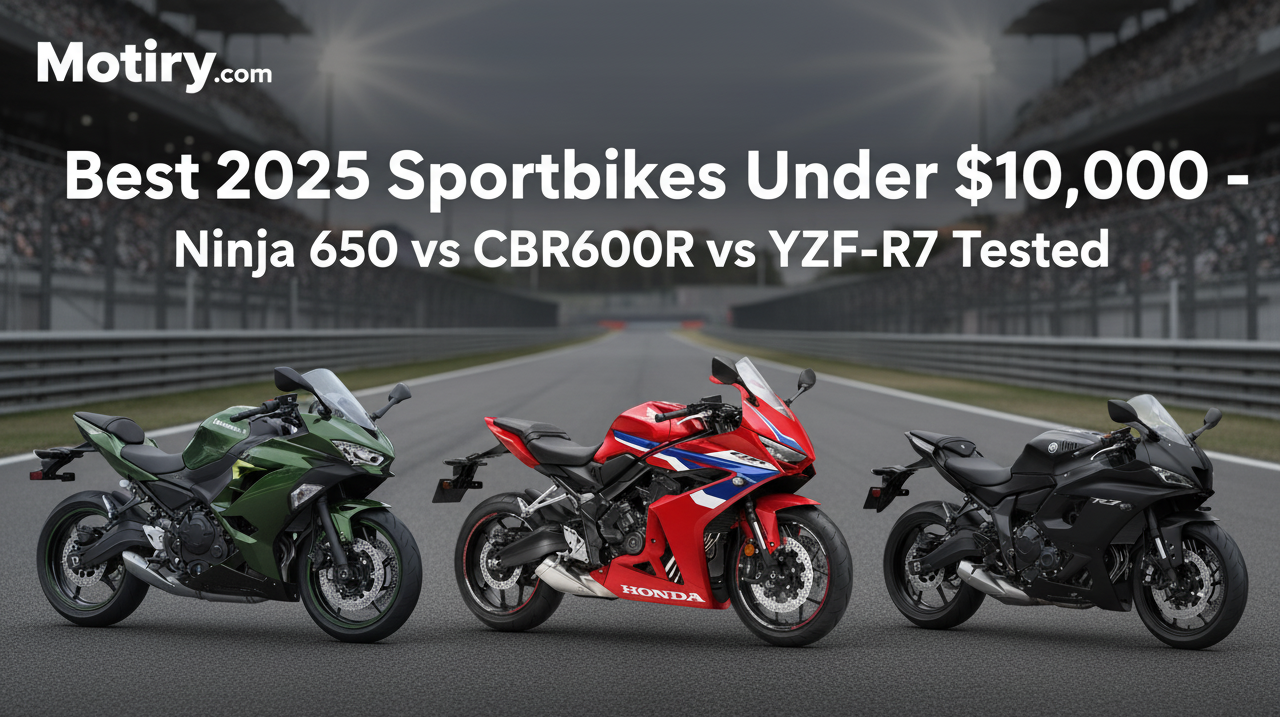
If you’re shopping for a track day bike, check out our detailed testing of the best sportbikes under $10,000. The Ninja 650, CBR650R, and YZF-R7 are all fantastic track day platforms that won’t bankrupt you on consumables.
The Hidden Consumable Costs
One thing I didn’t anticipate was how much consumables would add up. After a full track day, you’re looking at:
What About Track Day Insurance?
Here’s something that’ll surprise you – your regular motorcycle insurance doesn’t cover track days. Read that fine print carefully. Most policies specifically exclude “racing” and “timed competition,” and many insurers consider any track day to be racing, even if it’s not competitive.
Some track day organizations include basic liability insurance in your registration fee, but this typically doesn’t cover damage to your own bike. If you crash and total your bike, you’re eating that cost personally unless you buy additional coverage.
By the way, if you’re worried about insurance costs in general, I recently wrote a comprehensive breakdown on motorcycle insurance costs by state. Understanding your base insurance expenses helps you budget for additional costs like track days.
Frequently Asked Questions About Track Day Preparation
Is a Track Day Worth the Real Cost?
Look, here’s my honest take after doing this wrong the first time and then figuring it out – yes, track days are absolutely worth the cost, but only if you go in with realistic expectations and proper budgeting. That first $1,200 track day taught me more about motorcycle control than two years of street riding ever could.
As someone who has spent nearly a decade analyzing vehicles across every segment, I can tell you that track time transforms your understanding of motorcycles. You learn what proper body position feels like, you discover your bike’s actual limits (which are way higher than you think), and you develop skills that make you a dramatically safer street rider.
But don’t go into it thinking “$500 track day!” because you’ll either be disappointed or financially unprepared. Budget $900-1,200 for your first experience, then enjoy the fact that subsequent track days drop to $400-600 depending on transportation and consumables.
The riders who get the most value are the ones who commit to multiple track days per season. Your first track day is expensive because of one-time costs. By your third or fourth day, you’re averaging $500-600 per day, you’re seeing real improvement, and the value proposition becomes incredibly clear.
And hey, if you’re still on the fence about whether track riding is right for you, maybe start by understanding the real costs of ownership for different bikes. Our article on transitioning from cruisers to adventure bikes covers how expensive making the wrong bike choice can be – track days are a much cheaper way to explore what kind of riding you actually enjoy.
My Final Advice on Track Day Budgeting
Don’t let the real costs scare you away from track days. They’re one of the best investments you can make as a motorcycle enthusiast. Just go in with your eyes open about the actual numbers.
Save $1,200 for your first track day. Use the budget breakdown I provided to understand where that money goes. Then enjoy the fact that your second, third, and fourth track days cost 50-60% less because you’ve already made the major investments.
The “$500 track day” isn’t a myth – it’s just your SECOND track day, not your first. Understanding this difference will save you the frustration and surprise I experienced when I tried to do my first track day on an unrealistic budget.
Now get out there, start saving, and book that track day. Your future self will thank you for being honest about the costs and properly prepared for one of the most rewarding experiences in motorcycling.