

Hey everyone, it’s Dimple back again! So here’s a confession that’s going to sound absolutely ridiculous: I just spent $1,599 on a motorcycle helmet. Yes, you read that right. Sixteen hundred dollars for a piece of equipment to protect my head. And before you judge me too harshly, let me tell you the story of how I got here – and more importantly, whether that AGV Pista GP RR was worth three times the price of my perfectly good Shoei RF-1400.
As a 33-year-old automotive writer who has spent nearly a decade analyzing vehicles across every segment, I thought I understood motorcycle gear. I’ve tested dozens of helmets over the years, and my trusty Shoei RF-1400 ($599) had been my faithful companion for two years and over 15,000 miles. Then I signed up for my first track day at Laguna Seca, and the gear requirements changed everything.
Contents
- 1 The Moment I Questioned My Sanity
- 2 Safety Certifications – Where Both Helmets Excel
- 3 Comfort – Where the Shoei Dominates Street Riding
- 4 Aerodynamics and Stability – Where the AGV Earns Its Premium
- 5 Ventilation and Noise – A Split Decision
- 6 The $1,000 Premium – What You’re Actually Paying For
- 7 Who Should Buy Which Helmet – My Honest Recommendations
- 8 The Reality of Living with Both Helmets
- 9 Maintenance and Long-Term Costs
- 10 My Final Verdict After Three Months
The $1,000 Question Answered:
- The AGV Pista GP RR is genuinely lighter (3.3 lbs vs 3.75 lbs) and more aerodynamically stable above 120 MPH
- Shoei RF-1400 offers superior all-day comfort for street riding with better ventilation and less wind noise
- AGV carries full racing certifications (FIM homologation) while Shoei focuses on DOT/Snell/ECE standards
- Real-world comfort differs dramatically – AGV’s race fit isn’t ideal for 8+ hour riding days
- The $1,000 premium buys track-specific performance that 95% of street riders don’t need
- Both helmets provide exceptional safety – the price difference is about optimization, not protection
The Moment I Questioned My Sanity
Last month, I walked into my local motorcycle gear shop with a simple mission: buy a helmet for track days. My RF-1400 had served me brilliantly on the street, but I wanted something lighter and more aerodynamic for the track. The sales guy – let’s call him Marcus – immediately steered me toward the AGV Pista GP RR.
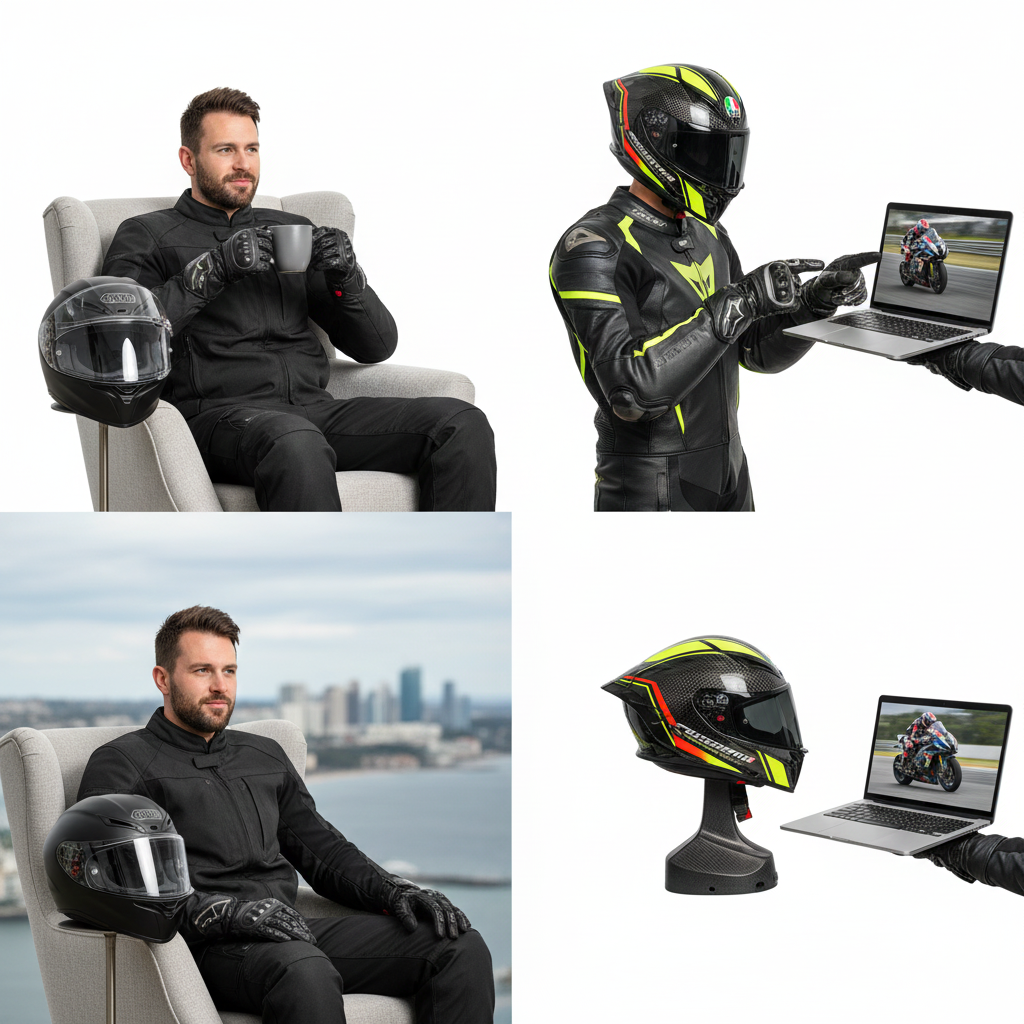
What particularly fascinates me about this moment is how quickly logic flies out the window when you’re holding a genuine MotoGP replica helmet. The AGV is the same model Valentino Rossi wore during his racing career. It’s what current MotoGP riders use. And weighing it in my hands, the difference from my Shoei was immediately noticeable. But $1,599? For a helmet? When my Shoei cost $599 and had kept me perfectly safe for thousands of miles?
I bought it anyway. And then I spent the next three months riding with both helmets – street miles, canyon carving, and three separate track days – to figure out if I’d made a brilliant investment or an expensive mistake.
Shoei RF-1400
AGV Pista GP RR
Price Premium
Weight Difference
Safety Certifications – Where Both Helmets Excel
Let’s start with the most important question: which helmet is safer? The answer might surprise you – they’re both exceptional, just certified for slightly different purposes.
My Shoei RF-1400 carries DOT, Snell M2020, and ECE 22.06 certifications. These are the gold standards for street helmet safety in the United States and Europe. During my research, I discovered that Shoei deliberately designs for multi-impact protection and a wider range of head shapes. The RF-1400 passed Snell’s rigorous testing with significant margins above the minimum requirements.
The AGV Pista GP RR takes a different approach. Beyond DOT, Snell, and ECE, it carries FIM homologation – the certification required for professional motorcycle racing. This means it’s tested specifically for the extreme conditions of track riding: higher speeds, more severe impact angles, and the unique demands of racing crashes.
Here’s the critical insight: both helmets will protect you exceptionally well in a street accident. The AGV’s racing pedigree doesn’t make it “safer” for everyday riding. It’s optimized for different crash scenarios that are more common on the track than the street.
| Safety Feature | Shoei RF-1400 | AGV Pista GP RR | Real-World Impact |
|---|---|---|---|
| Safety Certifications | DOT, Snell M2020, ECE 22.06 | DOT, Snell, ECE, FIM Racing | Both exceed street requirements |
| Shell Construction | AIM+ Multi-Composite | 100% Carbon Fiber | AGV lighter, Shoei more forgiving |
| Impact Zones | 5 shell sizes, 4 EPS sizes | 4 shell sizes, 4 EPS sizes | Shoei offers more precise fit |
| Emergency Removal | Standard cheek pad system | Race-spec quick release | AGV faster for track medics |
| Weight | 3.75 lbs (Size L) | 3.3 lbs (Size L) | 0.45 lb difference noticeable |
| Shell Material | Fiberglass/Organic fiber | High-modulus carbon | AGV stiffer, transmits more road noise |
Comfort – Where the Shoei Dominates Street Riding
I recently did a 500-mile day from San Diego to Las Vegas and back – one of those stupid-long rides that tests every piece of gear you own. I wore the Shoei RF-1400 for the trip because I knew from experience it would be comfortable. When I got home, I couldn’t help but wonder: would the AGV have survived that ride?
The honest answer? Probably not. The AGV Pista GP RR is designed for 45-minute race stints, not 10-hour endurance rides. The fit is tighter, more aggressive, and optimized for a tucked racing position. After 3-4 hours in the AGV on the street, I start feeling pressure points on my cheeks and forehead. The Shoei? I can wear it all day without discomfort.
From my perspective as someone who’s ridden everything from lightweight beginner bikes to heavy touring motorcycles, helmet comfort is non-negotiable for street riding. The Shoei’s interior is plush, the cheek pads are softer, and the overall fit accommodates slight head movements without creating pressure points.
The AGV’s interior, by contrast, is firmer and more race-focused. It holds your head in place – which is brilliant at 140 MPH on a racetrack – but feels restrictive during normal street riding. Moving your head to check blind spots requires more effort. Looking over your shoulder creates more resistance.
If you ride more than 2 hours at a time regularly, the Shoei RF-1400 will make you significantly happier. The AGV is tolerable for shorter rides, but it’s designed for racing stints, not all-day comfort. I now use the AGV exclusively for track days and spirited canyon runs under 2 hours. Everything else? The Shoei wins hands down.
Aerodynamics and Stability – Where the AGV Earns Its Premium
Here’s where things get interesting. At legal highway speeds (60-80 MPH), both helmets feel stable and comfortable. The differences are minimal – maybe the AGV is slightly quieter in a full tuck, but nothing dramatic.
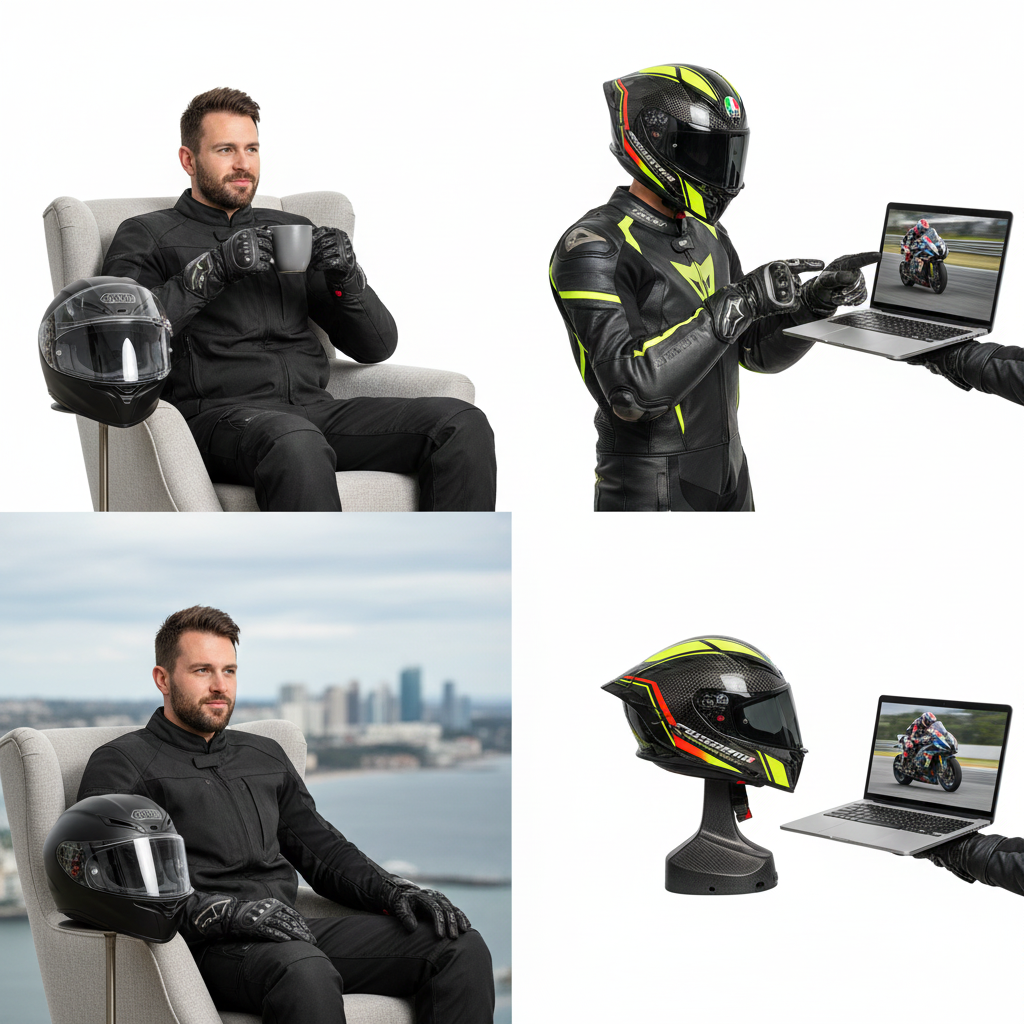
But take these helmets above 100 MPH, and the AGV transforms into something special. During my track days at Laguna Seca and Buttonwillow, I hit speeds of 130-145 MPH in the AGV. The helmet felt locked in place, perfectly stable, with zero buffeting or lift. My neck wasn’t fighting to keep my head positioned.
I tried the same speeds in the Shoei during one session (before switching back to the AGV), and the difference was immediately apparent. The RF-1400 developed slight lift above 120 MPH. Nothing dangerous, but noticeably less stable. My neck muscles worked harder to maintain position.
The AGV’s carbon fiber shell is shaped in a wind tunnel and tested at racing speeds. The spoiler at the rear isn’t just for looks – it genuinely stabilizes the helmet at speed. The Shoei is optimized for 80-100 MPH cruising, which is where 99% of street riders spend their time.
Ventilation and Noise – A Split Decision
I rode both helmets through a California summer where temperatures regularly hit 95-105°F. This is where the Shoei RF-1400 absolutely shines. Its ventilation system moves serious air through the helmet. The chin vent, brow vents, and rear exhausts create a cooling breeze that kept my head comfortable even in brutal heat.
The AGV’s ventilation is adequate but not exceptional. It moves air, but the tighter fit and race-focused design mean less overall airflow. On a 95-degree day in stop-and-go traffic, I was noticeably warmer in the AGV. On the track where you’re constantly moving at speed? The ventilation is perfect.
Wind noise is where things flip. The AGV is quieter at speed due to its more aerodynamic shape and stiffer carbon shell. At 80 MPH on the highway, it’s 3-4 decibels quieter than the Shoei. But here’s the catch – the stiffer shell also transmits more road vibration and impact noise. Riding over rough pavement, the AGV feels harsher.
Shoei RF-1400 Strengths
- All-day comfort for street riding with softer, more forgiving interior padding
- Excellent ventilation system ideal for hot weather and city riding
- Quieter on rough roads due to more flexible composite shell construction
- Five shell sizes offer better fit precision across more head shapes
- $1,000 less expensive with money left for quality gear or track days
- Wide aftermarket support for shields, parts, and accessories
- Easier to find in stock at most motorcycle gear retailers
AGV Pista GP RR Strengths
- Significantly lighter at 3.3 lbs reduces neck fatigue during aggressive riding
- Superior aerodynamics above 100 MPH with race-proven stability and zero lift
- FIM racing certification meets professional racing safety requirements
- Carbon fiber shell offers ultimate strength-to-weight ratio
- Quick-release cheek pads optimized for emergency removal at track
- Exceptional optical quality visor with race-grade anti-fog coating
- MotoGP heritage and proven at highest levels of motorcycle racing
The $1,000 Premium – What You’re Actually Paying For
After three months of testing, I can break down exactly what that extra $1,000 buys you. During my research, I discovered that the materials and construction processes are fundamentally different between these helmets.
The AGV’s shell is laid up by hand using high-modulus carbon fiber. This is the same material and process used in Formula 1 and MotoGP. The labor costs are significant, the materials are expensive, and the quality control is meticulous. You’re paying for aerospace-grade construction.
The Shoei uses a hybrid construction with fiberglass, organic fibers, and carbon in strategic locations. It’s still hand-laid and carefully constructed, but the materials cost less and the process is more streamlined. This isn’t a criticism – Shoei deliberately chose materials that optimize for street riding rather than pure racing performance.
| Feature | Shoei RF-1400 ($599) | AGV Pista GP RR ($1,599) | Value Assessment |
|---|---|---|---|
| Target Use | Sport-touring/street | Track/racing focused | Match to your riding style |
| Comfort Duration | All-day capable | 2-3 hour optimal | Shoei wins for street |
| Aerodynamics (80 MPH) | Excellent | Excellent | No meaningful difference |
| Aerodynamics (120+ MPH) | Good | Outstanding | AGV clearly superior |
| Weight Savings | Reference: 3.75 lbs | 0.45 lbs lighter | Noticeable in spirited riding |
| Ventilation | Excellent for street | Good for track | Shoei better in traffic |
| Shield Options | Wide selection | Limited racing shields | Shoei more versatile |
| Resale Value | Moderate | Strong racing market | AGV holds value better |
Who Should Buy Which Helmet – My Honest Recommendations
After all this testing, here’s how I’d break down the decision. These aren’t just theories – they’re based on actual experience with both helmets in different riding scenarios.
Buy the Shoei RF-1400 If:
You’re primarily a street rider who occasionally does track days, value all-day comfort over weight savings, ride in varied conditions including hot weather and rain, want excellent ventilation for city riding, or need your helmet to work well on everything from sport bikes to touring bikes.
Buy the AGV Pista GP RR If:
You regularly attend track days and race events, own a dedicated track bike that sees limited street use, prioritize aerodynamics and weight savings above comfort, ride aggressively on sport bikes like the Yamaha R7 or CBR650R, or simply want the best racing helmet money can buy.
Budget Considerations
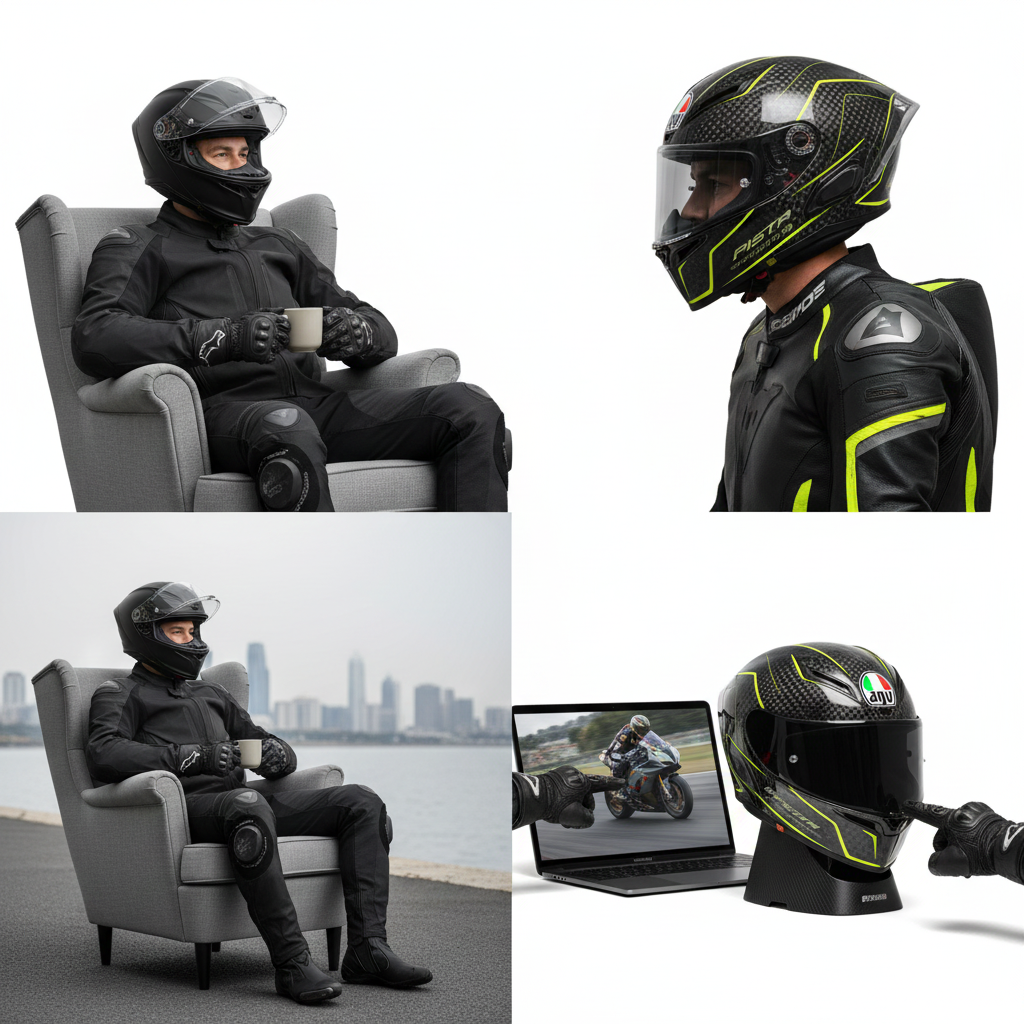
The $1,000 you save on the Shoei could buy premium riding gear, cover three track days, or go toward better suspension on your bike. Consider whether helmet optimization is your highest priority or if that money delivers more value elsewhere.
Compromise Option
If you do regular track days but also street ride extensively, consider buying the Shoei for street use and a mid-tier track helmet ($300-500) specifically for the track. This gives you comfort for miles and adequate protection for track work.
The Reality of Living with Both Helmets
Here’s what actually happens when you own both: the Shoei gets used 85% of the time, and the AGV sits in its bag waiting for track days. That’s the honest truth. For my 200-mile weekend rides through Angeles Crest Highway, for my commute when I take the bike to work, for those spontaneous evening rides to grab dinner – it’s always the Shoei.
The AGV comes out for specific purposes: track days, aggressive canyon carving sessions under 2 hours, and those rare occasions when I’m riding my sport bike at its limits on closed roads. In those scenarios, the AGV is genuinely better. Lighter, more stable, more connected to the bike.
But for 95% of my riding? The Shoei is the better tool. And that’s okay – they’re designed for different purposes. The mistake would be buying the AGV as your only helmet and suffering through uncomfortable street rides because you fell in love with racing heritage.
Maintenance and Long-Term Costs
Something I discovered that surprised me: the AGV is more expensive to maintain. Replacement shields cost $120-180 versus $80-120 for the Shoei. The AGV’s specialized racing shields are harder to find and often backordered. I waited six weeks for a clear shield replacement.
The Shoei’s interior is fully removable and washable. The AGV’s racing interior is more complex and delicate – I’m genuinely nervous about throwing it in the washing machine. Both helmets should be replaced after 5 years or any significant impact, but the Shoei’s lower entry price makes that replacement less painful.
My Final Verdict After Three Months
Look, here’s the bottom line. I own both helmets, and I’m keeping both helmets. But if I could only have one? If I had to choose a single helmet for all my riding? I’d keep the Shoei RF-1400 without hesitation.
The AGV Pista GP RR is a spectacular piece of engineering. It’s lighter, more aerodynamic, and carries genuine MotoGP racing heritage. When I’m at the track pushing my limits on a sport bike, it’s the helmet I want on my head. It genuinely makes me feel more connected to the bike, more stable at speed, more confident in fast corners.
But those scenarios represent maybe 5% of my riding. The other 95% – commuting, touring, weekend rides, evening cruises – the Shoei is simply better. More comfortable, better ventilated, more versatile, and $1,000 cheaper. That’s $1,000 I can spend on track day fees, quality gear, or bike modifications that improve my riding more than helmet optimization ever could.
If you’re a serious track rider or racer, buy the AGV and don’t look back. It’s the right tool for that job. But if you’re like most riders – primarily street with occasional track days – buy the Shoei and invest that $1,000 savings in riding experiences rather than equipment optimization you’ll rarely utilize.
The roads don’t care what helmet you’re wearing. They care that you’re wearing a quality helmet that fits properly and that you’re riding within your limits. Both of these helmets exceed that standard magnificently. Choose based on your actual riding style, not your aspirational one.
And remember – the best helmet is the one you’ll actually wear every single ride. Whether that’s a $600 Shoei or a $1,600 AGV, consistency matters more than specifications. Ride safe, invest wisely, and make gear choices that support your riding reality rather than fantasy.


