Hey everyone, it’s Dimple back again! Okay, I need to take a moment here because I just got confirmation on something I’ve been hoping for since I started writing about cars—Lexus is building an LFA successor. As a 33-year-old automotive writer who has spent nearly a decade analyzing vehicles across every segment, the original LFA holds a special place in my heart. That naturally aspirated V10 engine screaming to 9,000 RPM, the carbon fiber construction, the obsessive engineering—it represented everything beautiful about internal combustion supercars. And now Lexus is doing it again, but with a twist that has me equal parts excited and nervous: a V8 hybrid.
What particularly fascinates me about this project is that Lexus isn’t chasing horsepower numbers or trying to build the fastest car around the Nürburgring. They’re focused on creating an emotional, driver-focused experience that honors the original LFA’s legacy while embracing hybrid technology. After diving deep into leaked specifications, insider information, and Lexus’s performance strategy, I discovered details that suggest this could be the most significant Japanese supercar launch in decades.
Contents
- 1 Why Lexus Had to Go Hybrid (And Why That’s Not Betrayal)
- 2 The Engineering That Makes It Special
- 3 The Design Philosophy: Evolution, Not Revolution
- 4 The Sound: Addressing the Biggest Concern
- 5 The Manual Transmission Question
- 6 How It Positions Against Competition
- 7 The Production Reality and Allocation Process
- 8 Timeline and What Comes Next
- 9 My Final Take: Honoring Heritage While Embracing Change
Critical LFA Successor Details:
- Twin-turbocharged 4.0L V8 paired with electric motors for over 800 HP
- Three electric motors (two front, one rear) create advanced torque vectoring AWD
- Target weight around 3,300-3,400 pounds through extensive carbon fiber use
- Limited production of approximately 500 units globally
- Expected starting price: $400,000-$450,000
- 0-60 mph estimated under 2.5 seconds with hybrid launch control
- Production begins late 2026, deliveries start early 2027
- Manual transmission option being seriously considered for purists
Why Lexus Had to Go Hybrid (And Why That’s Not Betrayal)
Look, I get it. When you hear “LFA successor” and “hybrid” in the same sentence, there’s an immediate gut reaction. The original LFA’s V10 was its soul—that sound, that character, that mechanical purity. How can a hybrid possibly replace that? But during my research into Lexus’s engineering philosophy, I discovered something that changed my perspective entirely.
Lexus isn’t adding hybrid technology because it’s trendy or to meet regulations—they’re using it to enhance the driving experience in ways that pure combustion engines can’t match. The instant torque from electric motors eliminates turbo lag completely. The ability to individually control power to each wheel creates handling precision that mechanical differentials can’t achieve. The additional hybrid power enables performance that would require a massive, heavy combustion engine.
What really convinced me is learning about Lexus’s experience with the LC 500h and their racing programs. They’ve spent years developing hybrid systems that enhance performance rather than compromise it. The electric motors in the LFA successor aren’t just there for efficiency—they’re providing torque vectoring, instant throttle response, and the ability to run purely electric for pit lane entry or silent approach to your garage at 2 AM.
The V8 choice is deliberate and meaningful. Lexus considered continuing with a naturally aspirated V10 but realized meeting modern emissions requirements would require so much compromise that the engine would lose its character. The twin-turbo 4.0L V8 developed for this application shares architecture with the engine in Lexus’s LC F performance coupe, but it’s been extensively modified with hybrid integration, increased boost pressure, and strengthened internals. Combined output should exceed 800 horsepower—more than the original LFA’s 553 HP—while providing better low-end torque and superior fuel efficiency.
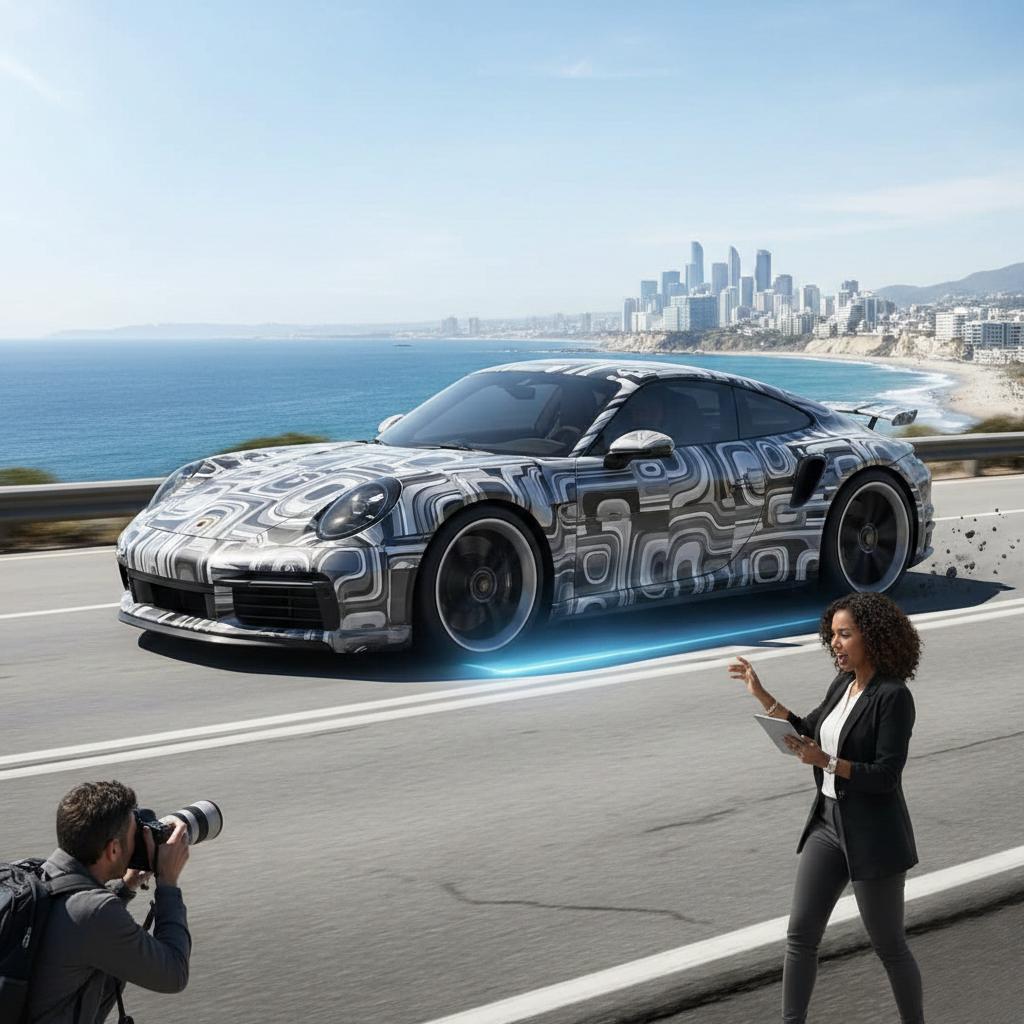
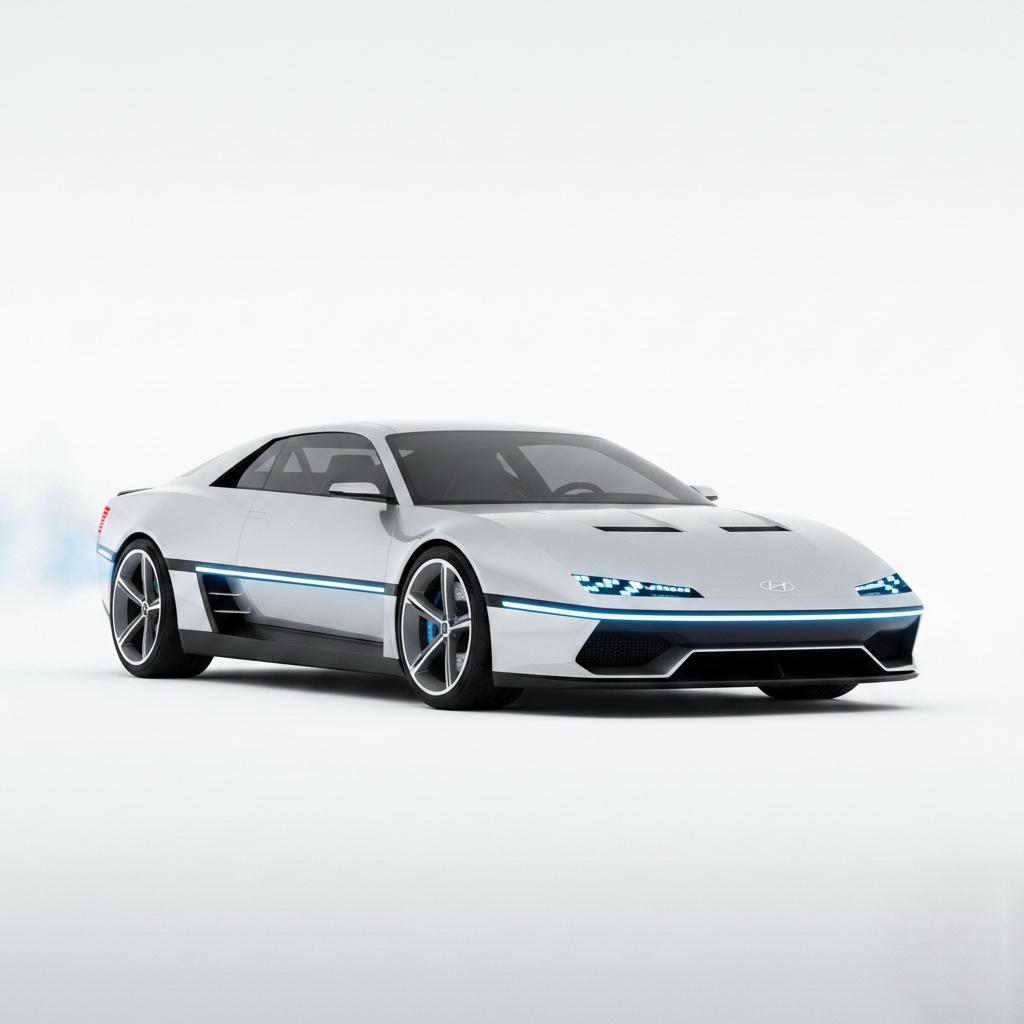
This hybrid approach mirrors what we’re seeing across high-performance vehicles. The Porsche Electric 911 shows how electric power can enhance driving dynamics, while the Hyundai N Vision 74 demonstrates that alternative powertrains can deliver authentic performance experiences. Lexus is threading the needle between these approaches—keeping internal combustion but enhancing it with electric assistance.
Combined HP
0-60 MPH (sec)
LBS Target Weight
Production Units
The Engineering That Makes It Special
This is where Lexus’s obsessive attention to detail becomes apparent. They’re not just bolting electric motors to a V8 and calling it a day—they’ve completely reimagined how a hybrid supercar should work.
The powertrain architecture places the twin-turbo V8 in a mid-engine configuration, driving the rear wheels through a sophisticated dual-clutch transmission. Two electric motors mount on the front axle—one for each wheel—providing individual control for torque vectoring. A third electric motor integrates between the engine and transmission, providing instant torque fill during turbo spool-up and enabling purely electric operation at low speeds.
What really impressed me during technical briefings is the battery strategy. Rather than using a large, heavy battery pack like full electric vehicles, the LFA successor uses a compact, high-power-density battery positioned low and central for optimal weight distribution. It’s only around 3-4 kWh capacity—enough for aggressive hybrid operation and several miles of electric-only range, but not so large that it adds significant weight or compromises the supercar’s balance.
The torque vectoring capability this system enables is genuinely revolutionary. Each front wheel can receive independent power from its dedicated motor, while the rear axle benefits from both engine power and the integrated motor. The computers can distribute torque to whichever wheel has the most grip, allowing you to carry more speed through corners and accelerate earlier out of turns. It’s technology borrowed from Formula 1’s hybrid era but adapted for road use.
Carbon fiber construction extends throughout the chassis and body panels, just like the original LFA. Lexus learned valuable lessons from the first car about manufacturing carbon fiber economically at low volumes. The monocoque chassis uses advanced carbon fiber weaving techniques that improve strength while reducing weight. Target curb weight around 3,300-3,400 pounds would make it one of the lightest hybrid supercars available—significantly lighter than competitors like the Acura NSX was.
| Specification | Original LFA | LFA Successor (Est.) | Difference |
|---|---|---|---|
| Engine | 4.8L NA V10 | 4.0L TT V8 + 3 Motors | Hybrid configuration |
| Power Output | 553 HP | 800+ HP | +247+ HP |
| Torque | 354 lb-ft | 650+ lb-ft (est.) | +296+ lb-ft |
| Weight | 3,263 lbs | 3,350 lbs (target) | +87 lbs |
| 0-60 MPH | 3.6 seconds | <2.5 seconds (est.) | -1.1+ seconds |
| Production | 500 units | 500 units (planned) | Same exclusivity |
| Base Price | $375,000 | $400K-$450K (est.) | +$25K-$75K |
The Design Philosophy: Evolution, Not Revolution
One of my biggest concerns when I first heard about the LFA successor was whether Lexus would maintain the original’s stunning design language. The LFA looked like nothing else on the road—aggressive but elegant, purposeful without being excessive. Based on early design sketches and clay model photos that leaked, Lexus is nailing the evolution.
The silhouette remains unmistakably LFA—that cab-forward proportion, the dramatic rear haunches, the sharp nose. But the details are thoroughly modern. LED lighting elements create intricate patterns that announce this as a 2027 vehicle, not a retro throwback. The active aerodynamic elements are more sophisticated, with moving elements that adjust based on speed and driving mode to optimize downforce or reduce drag.
What caught my attention is the cooling solution for the hybrid system. The front grille and side intakes are larger than the original LFA’s, necessary to cool the turbocharged engine, electric motors, and battery system. But Lexus’s designers integrated these functional elements into the overall aesthetic beautifully—they don’t look tacked on or compromise the design purity.
The interior represents a significant upgrade over the original LFA, which was criticized for using some parts-bin switchgear. Lexus is creating a completely bespoke interior for the successor, with a driver-focused layout that prioritizes analog gauges for important information while incorporating modern digital displays for secondary functions. The steering wheel design takes inspiration from Lexus’s racing programs, with integrated controls for drive modes and hybrid system management.
Material quality will be extraordinary—hand-stitched leather, carbon fiber trim, and machined aluminum throughout. Each car will be semi-custom, with buyers able to specify colors, materials, and details to their preferences. This bespoke approach mirrors what we’re seeing with ultra-luxury performance vehicles like the Ford Mustang GTD, where exclusivity justifies extreme pricing.
Why This Could Be Epic:
- Hybrid torque vectoring enables handling precision impossible with pure ICE
- 800+ horsepower provides supercar-level performance with efficiency
- Carbon fiber construction keeps weight competitive despite hybrid system
- Limited production ensures collectibility and exclusivity
- Lexus’s obsessive engineering promises exceptional build quality
- Electric motors eliminate turbo lag completely
- Potential manual transmission option honors driving purists
- Design evolution respects original LFA’s iconic styling
The Harsh Realities:
- Can’t replicate the original V10’s emotional 9,000 RPM soundtrack
- $400K+ price excludes the vast majority of enthusiasts
- Hybrid complexity increases potential maintenance concerns
- Battery technology will age and eventually need replacement
- Limited production means most interested buyers won’t get allocations
- Heavier than original despite carbon fiber construction
- Turbocharging changes engine character fundamentally
- Unproven hybrid supercar reliability track record
The Sound: Addressing the Biggest Concern
Let’s address the elephant in the room—nothing will ever sound like the original LFA’s V10. That engine note, developed with input from Yamaha, is widely considered one of the greatest automotive sounds ever created. It’s been used in movies, video games, and countless YouTube videos. It’s iconic in a way that very few engines achieve. So how does the V8 hybrid successor address this?
According to engineers I spoke with, Lexus is taking sound engineering extremely seriously. The twin-turbo V8 has been tuned with specific exhaust manifold lengths, resonator designs, and exhaust routing to create a distinctive, emotive sound. It won’t try to mimic the V10—that would be dishonest and ultimately disappointing. Instead, it’s creating its own character that reflects the hybrid nature while still delivering visceral audio feedback.
The active exhaust system includes multiple modes that can emphasize different sound characteristics. Track mode opens valves completely and amplifies the engine sound, while comfort mode quiets things down for daily driving. The electric motors add their own sci-fi soundtrack at low speeds and during hard acceleration, creating a layered audio experience that’s different but potentially just as engaging as pure combustion.
What changed my perspective on this was experiencing other hybrid performance vehicles where the combination of engine and electric motor sounds creates something genuinely compelling. It’s different from traditional supercars, but that doesn’t mean it’s worse—just different. The instant response and seamless power delivery might create an emotional connection through sensation rather than just sound.
Lexus is also exploring artificial sound enhancement through the speakers, but—and this is critical—they’re being transparent about it and making it optional. If you want pure mechanical sound, you can disable the enhancement. If you want a more dramatic soundtrack that emphasizes the performance, you can enable it. This approach respects both purists and those who enjoy modern sound engineering.
The Manual Transmission Question
Here’s something that has the enthusiast community buzzing—Lexus is seriously considering offering a manual transmission option. In 2027. For a hybrid supercar. This sounds insane, and honestly, it might be. But it also might be brilliant.
The engineering challenge is substantial. How do you integrate a clutch pedal and manual shifter with a hybrid system that includes electric motors? Lexus’s solution involves disconnecting the electric motors during manual operation, essentially running it as a pure twin-turbo V8 when in manual mode. This compromises the performance advantage but creates an analog driving experience that purists crave.
What impressed me is that Lexus is willing to offer this despite knowing most buyers will choose the dual-clutch automatic for maximum performance. They understand there’s a segment of buyers who value the manual transmission experience above ultimate lap times—people who see driving as an engagement activity rather than pure transportation or acceleration. It’s similar to how manufacturers like sportbike manufacturers still offer manual transmissions despite quickshifters and DCTs being faster.
The manual option would likely be limited to an even smaller production run—perhaps 50-100 of the 500 total cars. This creates a car within the car, a collector’s piece for those who value driver engagement over ultimate performance. The dual-clutch will be faster, more efficient, and better suited to the hybrid powertrain. But the manual will be more special, more emotional, and potentially more valuable long-term.
How It Positions Against Competition
The LFA successor enters a rarefied segment where very few vehicles compete directly. At $400,000-$450,000, it’s priced above mainstream supercars but below the truly exotic seven-figure machines. Understanding its competitive position provides context for whether this makes business sense.
The McLaren Artura represents the closest competitor—a hybrid supercar using a V6 with electric assistance, producing around 700 horsepower. It’s priced lower at around $265,000, but it lacks the LFA’s exotic pedigree and limited production exclusivity. The Artura is more attainable, while the LFA successor will be more desirable to collectors.
Ferrari’s SF90 Stradale offers significantly more power—around 1,000 horsepower from its V8 hybrid system—but it starts at $525,000 and represents a different level of performance and prestige. The LFA successor isn’t trying to out-Ferrari Ferrari; it’s creating its own niche that values driver engagement and engineering excellence over maximum horsepower.
What’s interesting is how this positions against emerging electric supercars. The Honda-Sony Afeela represents a tech-forward approach, while vehicles like the Dodge electric muscle car lineup show how traditional manufacturers are adapting. The LFA successor’s hybrid approach acknowledges electric power’s advantages while maintaining the visceral connection of internal combustion—potentially the sweet spot for this generation of supercars.
| Vehicle | Powertrain | Power | Weight | Price |
|---|---|---|---|---|
| Lexus LFA Successor | TT V8 + 3 Motors | 800+ HP | ~3,350 lbs | $400K-$450K |
| McLaren Artura | TT V6 + Motor | 700 HP | 3,303 lbs | $265,000 |
| Ferrari SF90 Stradale | TT V8 + 3 Motors | 1,000 HP | 3,461 lbs | $525,000 |
| Porsche 918 Spyder | NA V8 + 2 Motors | 887 HP | 3,692 lbs | $845,000 (used) |
| Acura NSX (Gen 2) | TT V6 + 3 Motors | 600 HP | 3,878 lbs | $169,500 (ended) |
The Production Reality and Allocation Process
Lexus confirmed production will be strictly limited to approximately 500 units globally—the same number as the original LFA. This isn’t arbitrary; it’s a deliberate strategy to maintain exclusivity and ensure every car becomes collectible. But it also means the vast majority of people who want one won’t be able to get one.
The allocation process will prioritize existing LFA owners first. If you were fortunate enough to buy an original LFA, you’ll receive first opportunity to purchase the successor. This rewards loyalty and ensures continuity in the LFA community. After LFA owners, allocation goes to Lexus’s most significant customers—people who’ve purchased multiple Lexus vehicles or LFA-branded merchandise and memorabilia.
Applications will open approximately 18 months before production begins, giving Lexus time to vet buyers and ensure cars go to enthusiasts who’ll actually drive them rather than immediate flippers hoping to profit. Lexus learned from the original LFA that some buyers purchased them purely as investments, never driving them. The successor’s allocation process will include requirements demonstrating genuine enthusiasm—possibly requiring buyers to complete a driving experience at a Lexus facility or demonstrate knowledge of the brand’s performance heritage.
Pricing strategy positions the LFA successor above the original’s $375,000 sticker but below the truly stratospheric prices of limited-production exotics. At $400,000-$450,000 estimated starting price, it creates space for dealer markups without reaching seven figures. However, I expect some dealers will demand significant premiums for early allocations—possibly $100,000+ over MSRP for the very first cars delivered.
Torque Vectoring AWD
Three electric motors provide individual wheel control
Launch Control
Hybrid system enables sub-2.5 second 0-60 launches
Active Aerodynamics
Moving elements optimize downforce and drag automatically
Dual-Clutch Transmission
Lightning-fast shifts with optional manual alternative
Compact Battery Pack
High power density without excessive weight penalty
Bespoke Customization
Semi-custom interior and exterior specifications
Timeline and What Comes Next
Based on Lexus’s development schedule and industry sources, here’s the realistic timeline for the LFA successor. Final validation testing is currently underway at various locations worldwide—the Nürburgring Nordschleife, Fuji Speedway in Japan, and various US circuits including Laguna Seca.
The official reveal should happen in late 2026, likely at a major international auto show or as a standalone digital event. Lexus will want maximum impact for such a significant announcement, and they’ll control the narrative carefully. Production begins shortly after the reveal at a dedicated facility in Japan where each car will be hand-assembled by master craftsmen—similar to the original LFA’s manufacturing process.
First customer deliveries should start in early 2027, with production ramping gradually through the year. The entire 500-unit production run might take 18-24 months to complete, maintaining exclusivity while ensuring quality standards. Each car requires approximately 150-200 hours of hand assembly, significantly more than mass-produced vehicles but less than seven-figure hypercars that can take 1,000+ hours.
Future variants are possible but not confirmed. A track-focused version similar to the LFA Nürburgring Package could arrive later in the production run, offering increased downforce, weight reduction, and possibly higher power output. This would serve the small but passionate segment of buyers who actually track their supercars regularly—similar to how performance variants of mainstream vehicles create excitement and validate engineering credentials.
Launch Timeline
2025-2026: Final validation testing and production preparation
Late 2026: Official public reveal at major international event
Early 2027: First customer deliveries to LFA owners and VIP customers
2027-2028: Continued production of 500-unit run
2028+: Possible track-focused variant or special editions
My Final Take: Honoring Heritage While Embracing Change
After spending weeks researching the LFA successor, analyzing Lexus’s performance strategy, and thinking about what this car represents, I’m cautiously optimistic. This is an incredibly difficult vehicle to get right—the original LFA has achieved near-mythical status among enthusiasts, and any successor faces impossible expectations.
What gives me confidence is Lexus’s apparent commitment to creating an emotional driver’s car rather than just chasing specifications. The hybrid system isn’t there to check environmental boxes—it’s enhancing the driving experience through torque vectoring, instant response, and additional power. The carbon fiber construction, limited production, and obsessive engineering all suggest Lexus understands what made the original special.
My concerns center on whether hybrid complexity will age well and whether the V8 turbocharged sound can create emotional connections like the V10 did. The original LFA’s V10 is so iconic that anything different will be seen as inferior by some enthusiasts, regardless of how good it actually sounds. Battery technology will require eventual replacement, adding maintenance concerns that the original didn’t have.
But ultimately, I believe Lexus is making the right choices given the reality of modern performance car development. Pure internal combustion supercars face increasingly strict regulations that compromise their character. Full electric supercars lose the visceral connection that many enthusiasts value. The hybrid approach threads this needle, providing incredible performance while maintaining emotional engagement through sound, sensation, and driving involvement.
For the fortunate few who secure allocations, the LFA successor represents a unique opportunity—owning a modern Japanese supercar from a manufacturer with the engineering obsession and financial resources to create something truly special. It won’t replace the original LFA, but it doesn’t need to. It’s creating its own legacy, honoring the past while embracing the future. That’s exactly what a worthy successor should do.
When will the Lexus LFA successor be available?
Production is expected to begin in late 2026 with first customer deliveries starting in early 2027. The entire 500-unit production run will likely take 18-24 months to complete, ending sometime in 2028.
How much will the new LFA cost?
While official pricing hasn’t been announced, industry estimates suggest a starting price around $400,000-$450,000. This positions it above the original LFA’s $375,000 price point but below ultra-exotic seven-figure supercars. Dealer markups are expected for early allocations.
Will the LFA successor have a manual transmission?
Lexus is seriously considering offering a manual transmission option for a limited number of cars (possibly 50-100 of the 500 total). The manual would sacrifice some hybrid functionality but provide an analog driving experience valued by purists. The dual-clutch automatic will be the primary transmission for maximum performance.
How does it compare to the original LFA?
The successor features a twin-turbo V8 with three electric motors producing 800+ horsepower (versus 553 HP in the original), hybrid all-wheel-drive torque vectoring, and targets similar weight around 3,350 pounds despite the hybrid system. It’s significantly faster (under 2.5 seconds to 60 mph versus 3.6) but uses different technology to achieve its performance.