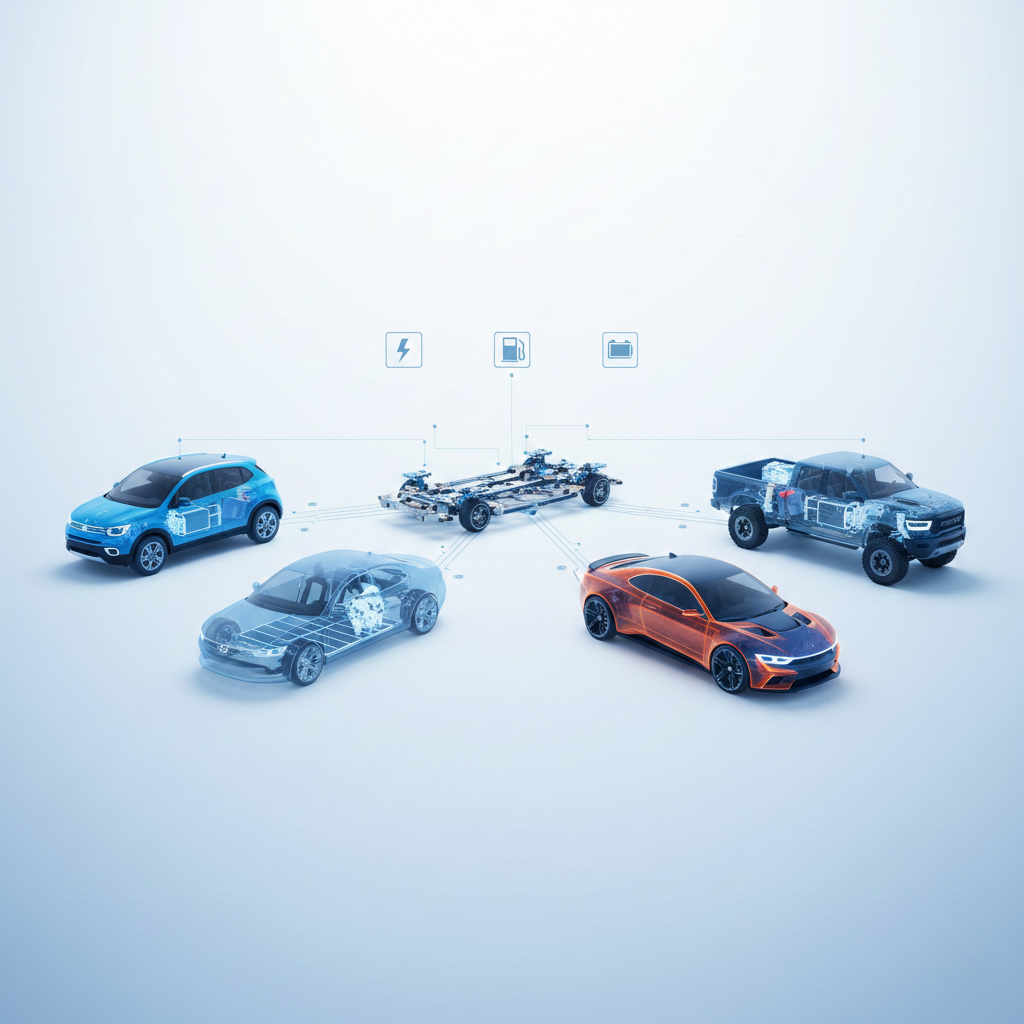
Hey everyone, it’s Dimple back again! Okay, I know what you’re thinking – “Dimple, why are you talking about platforms? That sounds boring.” But trust me on this one, because what Stellantis is doing with their STLA architecture is about to change everything you know about Jeep, Ram, Dodge, Chrysler, and all their other brands. This isn’t just engineering nerdy stuff – this is the foundation for some of the most exciting vehicles coming in the next few years.
As a 33-year-old automotive writer who has spent nearly a decade analyzing vehicles across every segment, I’ve learned that the most important decisions automakers make aren’t about styling or marketing – they’re about platforms. And the STLA platform family represents Stellantis betting billions of dollars on a flexible architecture that can accommodate everything from compact cars to full-size trucks, with gasoline, hybrid, and pure electric powertrains all living on the same foundation.
What particularly fascinates me about this development is the timing. While companies like BMW with their Neue Klasse platform are going all-in on electric-only architectures, Stellantis is taking a different approach. They’re building platforms that can handle multiple propulsion systems, giving dealers and customers flexibility during this messy transition period we’re living through. And honestly? That might be the smartest strategy in the business right now.

Contents
- 1 Breaking Down the STLA Family
- 2 STLA Medium: The Volume Player
- 3 STLA Large: Where Performance Meets Premium
- 4 STLA Frame: Trucks Stay Tough
- 5 The Software Revolution Built Into Every STLA
- 6 Real-World Vehicles Coming on STLA Platforms
- 7 How This Compares to Competition
- 8 Manufacturing and Cost Implications
- 9 The Electric Range Question
- 10 What This Means for You as a Buyer
- 11 Looking Ahead: 2026 and Beyond
- 12 The Bottom Line on STLA Platforms
STLA Platform Family: What You Need to Know
- Four distinct platform sizes: STLA Small, Medium, Large, and Frame
- Multi-energy capability: gasoline, hybrid, plug-in hybrid, and full electric
- Range targets up to 500+ miles on single charge for EVs
- Underpins future Jeep, Ram, Dodge, Chrysler, Alfa Romeo vehicles
- First vehicles launching in 2024-2025, major rollout through 2027
- Designed to reduce development costs while improving capabilities
- Advanced software architecture with over-the-air update capability
Breaking Down the STLA Family
Let me explain this in a way that actually makes sense. Stellantis isn’t building just one platform – they’re creating an entire family of four platforms, each designed for different vehicle segments. Think of it like building blocks that can be configured in countless ways depending on what kind of vehicle you’re trying to create.
STLA Small handles compact and subcompact vehicles – think city cars and small crossovers. STLA Medium covers mainstream sedans and mid-size SUVs. STLA Large is where things get exciting with full-size SUVs, performance cars, and premium vehicles. And STLA Frame? That’s the truck and rugged SUV platform that will underpin the next generation of Ram pickups and Jeep Wranglers.
During my research into platform strategies across the industry, I discovered that this modular approach isn’t new – Volkswagen pioneered it with their MQB platform years ago. But what makes STLA different is the seamless integration of multiple powertrain types. You can literally build the same vehicle with a gas engine, hybrid system, or pure electric drivetrain using the same basic architecture. That flexibility is revolutionary for manufacturing efficiency and dealer inventory management.
Platform Variants
Miles EV Range Target
Major Rollout Timeline
New Models Planned
STLA Medium: The Volume Player
Let’s start with STLA Medium because this is the platform that will touch the most customers. This architecture underpins vehicles in the most popular segments – compact SUVs, mid-size sedans, and crossovers that Americans actually buy in huge numbers. We’re talking about the next generation of vehicles like the Jeep Compass, Dodge Hornet, and potentially a revival of some classic nameplates.
The beauty of STLA Medium is its versatility. In front-wheel-drive configuration, it can accommodate efficient four-cylinder engines perfect for daily commuting. Add all-wheel drive, and you’ve got a capable crossover for families in snow-belt states. Configure it as a plug-in hybrid, and suddenly you’re offering 30-40 miles of electric-only range for emissions-free commuting while maintaining long-distance capability. Or go full electric with a skateboard battery layout and dual motors for performance that embarrasses gas-powered alternatives.
The platform supports wheelbases ranging from approximately 108 to 118 inches, giving designers flexibility to create everything from sporty crossovers to spacious three-row SUVs. The battery pack, when equipped, sits low in the chassis between the axles, creating a low center of gravity that dramatically improves handling compared to traditional high-riding SUVs.
| STLA Platform | Target Segments | Wheelbase Range | Powertrain Options | Example Vehicles (Future) |
|---|---|---|---|---|
| STLA Small | Compact/Subcompact | ~98-106 inches | ICE, Hybrid, BEV | City cars, small crossovers |
| STLA Medium | Mid-size mainstream | ~108-118 inches | ICE, Hybrid, PHEV, BEV | Jeep Compass, Dodge Hornet |
| STLA Large | Full-size/Premium | ~118-128 inches | Hybrid, PHEV, BEV | Jeep Wagoneer S, Dodge Charger EV |
| STLA Frame | Trucks/Rugged SUVs | Variable (body-on-frame) | ICE, Hybrid, PHEV, BEV | Ram 1500, Jeep Wrangler |
STLA Large: Where Performance Meets Premium
Here’s where things get really interesting for enthusiasts like us. STLA Large is the platform underpinning Stellantis’ most exciting future vehicles – the next-generation Dodge Charger and Challenger EVs, the Jeep Wagoneer S electric SUV, and potentially high-performance variants of other brands like Alfa Romeo.
This platform is engineered from the start to handle serious power. We’re talking about dual-motor setups producing 500+ horsepower, with the potential for tri-motor configurations exceeding 800 hp for range-topping performance models. The battery pack design accommodates cells ranging from 100 to 118 kWh, targeting over 300 miles of range even in performance applications where aerodynamics and weight aren’t optimized for efficiency.
What really excites me about STLA Large is how it enables the kind of performance that would have required exotic engineering just a few years ago. Electric motors provide instant torque, sophisticated traction control systems can vector power between wheels with millisecond precision, and the low center of gravity from battery placement creates handling characteristics that gas-powered vehicles simply can’t match. This is how Stellantis plans to keep muscle car enthusiasts excited in an electric future.
The platform’s flexibility extends to vehicle height and ride characteristics. Lower the suspension, fit aggressive aerodynamics, and you’ve got a performance sedan or coupe. Raise it slightly, add plastic cladding, and the same architecture becomes a premium crossover. This flexibility allows Stellantis to serve multiple segments with a single engineering foundation, dramatically reducing development costs while maintaining distinct brand identities.
STLA Frame: Trucks Stay Tough
Body-on-frame construction has been the backbone of trucks and rugged SUVs for over a century, and Stellantis isn’t abandoning that proven formula. STLA Frame adapts traditional truck architecture for modern powertrains, including hybrid and potentially full electric variants of vehicles that need serious towing capacity and off-road capability.
This platform will underpin the future of Ram trucks – the brand that consistently battles Ford and Chevy for truck sales supremacy. But here’s what’s clever: STLA Frame is designed to accommodate everything from traditional V8 engines to advanced hybrid systems that combine internal combustion with electric motors for improved towing and payload capacity.
The hybrid variants are particularly interesting for truck buyers. Imagine a Ram 1500 with a turbocharged inline-six engine paired with electric motors integrated into the transmission and rear axle. This setup could deliver V8-level power and torque while achieving V6 fuel economy. The electric motors provide instant low-end torque perfect for towing heavy trailers from a standstill, while regenerative braking helps recharge the battery pack during descents with heavy loads.
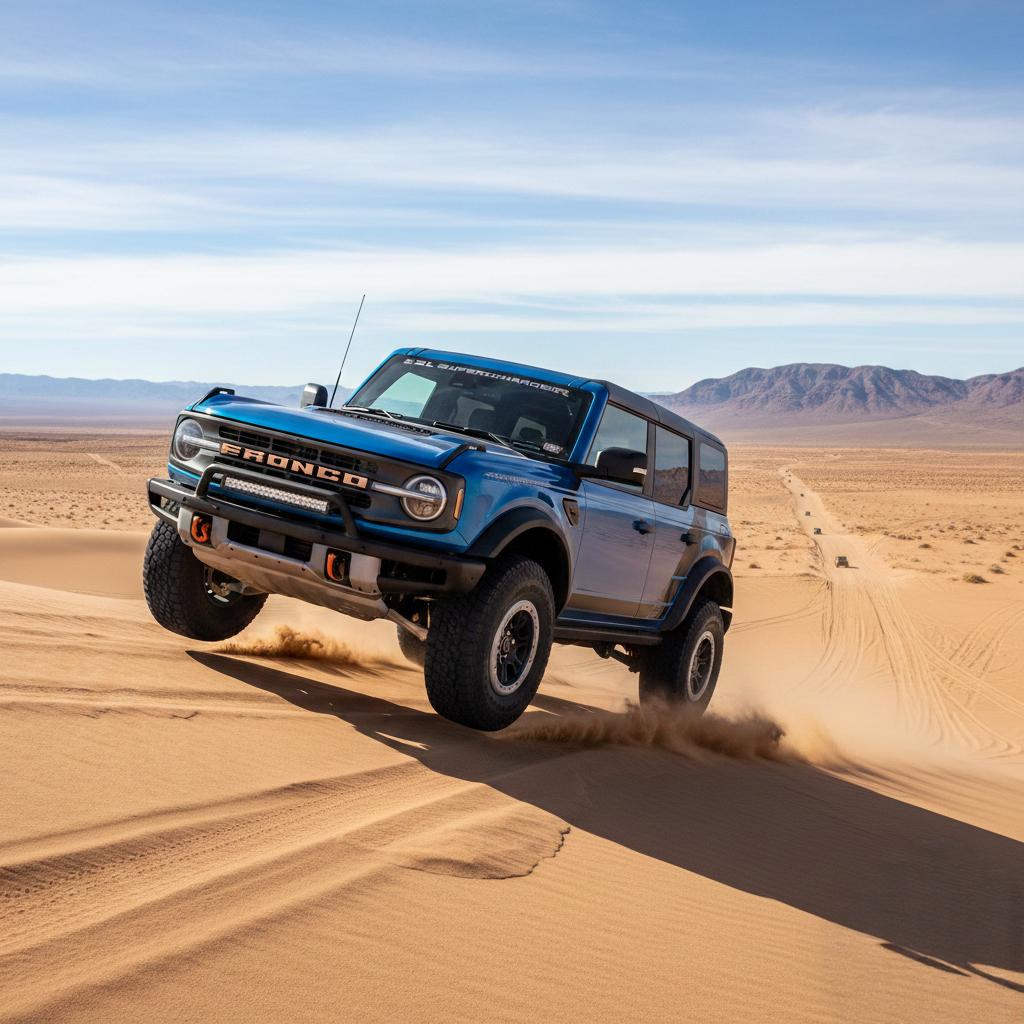
For vehicles like the next Jeep Wrangler and potential Wrangler EV variants, STLA Frame enables configurations that maintain serious off-road capability while embracing electrification. The low-mounted battery packs actually improve approach and departure angles compared to traditional trucks with bulky engines hanging out front. And the instant torque from electric motors provides unmatched control when rock crawling or navigating technical terrain.
The Software Revolution Built Into Every STLA
Here’s something that doesn’t get enough attention: modern vehicles are increasingly defined by software, not just hardware. The STLA platforms are built around a sophisticated electrical and software architecture that enables capabilities impossible in older vehicles.
Every STLA vehicle features a centralized computing platform that controls everything from powertrain management to infotainment systems. This architecture supports over-the-air updates, meaning your vehicle can receive new features, improved performance calibrations, and enhanced safety systems without visiting a dealer. Similar to how your smartphone gets better with software updates, STLA vehicles will continuously improve throughout their ownership lifecycle.
The software architecture also enables advanced driver assistance features that are becoming increasingly important to buyers. Adaptive cruise control, lane-keeping assistance, automated emergency braking – these systems require sophisticated sensor fusion and processing power that the STLA platforms are designed to accommodate from day one. As autonomous driving technology continues developing, these vehicles have the hardware foundation to support increasingly advanced capabilities through software updates.
Multi-Energy Capability
Supports ICE, hybrid, PHEV, and full BEV configurations on same architecture
800V Architecture
Ultra-fast charging with 100 miles in ~10 minutes on STLA Large/Frame
OTA Updates
Continuous improvement through over-the-air software updates
500+ Mile Range
Target range for BEV variants addresses anxiety concerns
Performance Capability
Support for 800+ hp in tri-motor performance configurations
Manufacturing Efficiency
Shared components reduce costs while maintaining brand identity
Real-World Vehicles Coming on STLA Platforms
Enough theory – let’s talk about actual vehicles you’ll be able to buy. Stellantis has confirmed numerous models launching on STLA platforms through 2027, and some are already hitting showrooms.

The Dodge Charger Daytona launches as one of the first STLA Large vehicles, bringing electric muscle car performance to the masses. With targeted output exceeding 500 hp in base form and over 800 hp in the range-topping Banshee model, this shows what STLA Large can deliver in terms of raw performance.
Jeep’s Wagoneer S, also on STLA Large, demonstrates the platform’s versatility by creating a premium three-row electric SUV with over 600 horsepower and luxury appointments that compete with German alternatives. The same platform architecture handles both applications despite their dramatically different missions.
For truck buyers, the next-generation Ram 1500 will debut on STLA Frame with both traditional V8 and advanced hybrid powertrains. Industry sources suggest the hybrid variant could deliver over 500 hp and 600 lb-ft of torque while achieving better than 25 mpg in mixed driving – numbers that would have seemed impossible just a few years ago.
Why STLA Platforms Matter
- Multi-energy flexibility serves diverse customer needs
- Advanced technology integrated from the start
- Manufacturing efficiencies reduce vehicle costs
- Over-the-air updates provide continuous improvement
- Performance capabilities rival luxury competitors
- Range targets address EV anxiety concerns
- Enables faster new model development
Challenges and Concerns
- Initial vehicles may have teething problems
- Shared platforms risk diluting brand identity
- Heavy reliance on software creates new failure points
- Battery supply constraints could limit production
- Customer acceptance of electrified brands remains uncertain
- Charging infrastructure still developing in many regions
- Higher initial costs than traditional platforms
How This Compares to Competition
Stellantis isn’t alone in developing flexible multi-energy platforms. Ford’s CD6 platform underpins vehicles like the Mustang Mach-E and upcoming electric trucks. General Motors’ Ultium platform takes an EV-only approach similar to BMW’s Neue Klasse. Toyota continues evolving their TNGA platform family while developing dedicated EV architectures.
What sets STLA apart is the explicit focus on maintaining internal combustion, hybrid, and electric options within the same architectural family. While competitors are increasingly committing to EV-only platforms, Stellantis is hedging their bets. This could be brilliant if EV adoption doesn’t accelerate as quickly as some predict, or it could leave them with obsolete architecture if the transition happens faster than expected.
| Platform Strategy | Multi-Energy | EV Range Target | Charging Speed | Philosophy |
|---|---|---|---|---|
| Stellantis STLA Family | Yes (ICE/Hybrid/EV) | 500+ miles | Up to 350 kW | Flexible transition |
| GM Ultium | EV Only | 400+ miles | Up to 350 kW | All-in on electric |
| Ford CD6/GE | Mixed approach | 300+ miles | Up to 150 kW | Gradual transition |
| BMW Neue Klasse | EV Only | 350+ miles | Up to 270 kW | Premium EV focus |
| Toyota TNGA-E | Mixed approach | 300+ miles | Up to 150 kW | Cautious electrification |
Manufacturing and Cost Implications
Here’s where platform engineering gets really interesting from a business perspective. By consolidating so many vehicles onto just four basic architectures, Stellantis can achieve massive economies of scale in component purchasing, tooling, and manufacturing processes.
Consider that traditional automotive development required unique platforms for each segment. Want to build a compact SUV, mid-size sedan, and full-size truck? That meant three completely different engineering programs with minimal shared components. STLA platforms change this calculus entirely – now those same three vehicles can share suspension components, electrical architecture, battery systems, and software despite their different missions.
The cost savings extend beyond just component sharing. Factory tooling can be standardized across multiple vehicle lines. Workers can be trained on common assembly processes that apply to numerous models. Quality control procedures become more refined as the same basic architecture is produced in higher volumes. And when problems are identified, fixes can be applied across the entire platform family rather than model-by-model.
Expected Development Savings
Stellantis estimates multi-billion dollar savings through platform consolidation and shared component development
These savings can be reinvested in areas that matter to customers – better infotainment systems, more advanced driver assistance features, improved battery technology, or simply more competitive pricing. In an industry where margins are increasingly tight and development costs continue rising, platform efficiency isn’t just nice to have – it’s essential for survival.
The Electric Range Question
Stellantis has made bold claims about achieving over 500 miles of range on STLA Large and Frame platforms. Let me put that in perspective: that’s more range than most gas-powered vehicles achieve on a full tank. If they actually deliver these numbers in real-world conditions, it completely eliminates range anxiety as a barrier to EV adoption.
But here’s the reality check – achieving 500+ miles requires massive battery packs, likely in the 150+ kWh range. These large batteries add significant weight, cost, and charging time. Even with 350 kW fast charging capability, fully charging a 150 kWh battery from near-empty still takes 30+ minutes under ideal conditions. And battery costs, while falling, still represent the single most expensive component in any electric vehicle.
The question becomes: do customers actually need 500 miles of range? According to the Department of Energy, the average American drives less than 40 miles per day. Even 300 miles of range provides massive buffer for most driving scenarios. Stellantis may be over-engineering their platforms for theoretical use cases rather than actual customer needs.
What This Means for You as a Buyer
Okay, let’s bring this back to real-world implications. If you’re shopping for a Stellantis brand vehicle in the next few years, understanding STLA platforms helps you make better decisions.
First, recognize that early STLA vehicles may have some growing pains as the company works out bugs in new systems. Similar to how Genesis had initial quality concerns when launching new platforms, expect some first-year issues that get resolved in subsequent model years. If you’re risk-averse, waiting for the second or third model year of STLA vehicles might be wise.
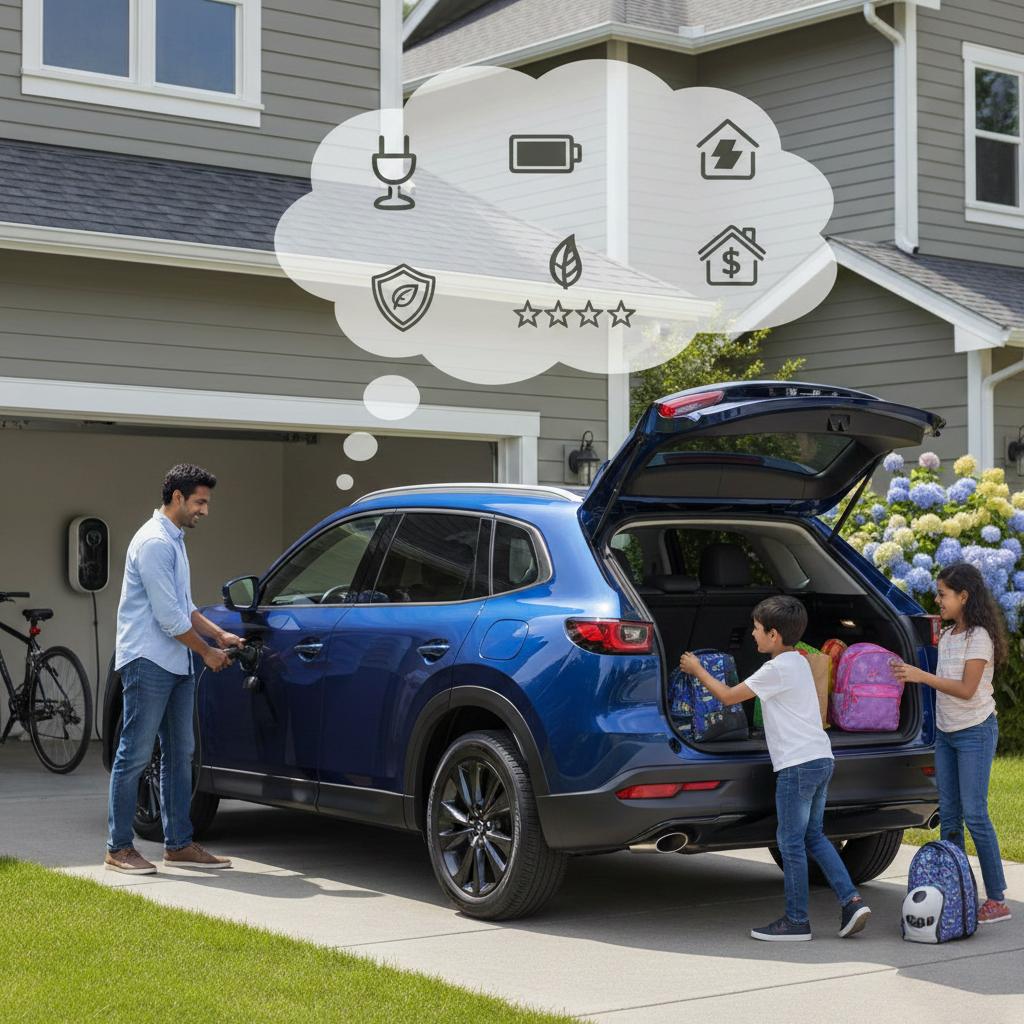
Second, the multi-energy capability means you’ll have real choices in powertrains. Don’t want to deal with charging infrastructure? Get the gas or hybrid version. Ready to embrace electric? The same basic vehicle is available as a BEV. This flexibility is actually pretty refreshing compared to brands that are forcing customers into electric-only offerings before infrastructure and customer acceptance are ready.
Third, understand that STLA platforms enable Stellantis to offer more competitive pricing through manufacturing efficiencies. You should see better equipment levels and more standard features compared to previous-generation vehicles, as the cost savings from platform sharing get reinvested in customer-facing content.
The STLA platform family represents Stellantis’ biggest bet on the future – billions of dollars committed to an architecture that needs to carry the company through the messiest transition period in automotive history. It’s not the sexiest topic, but it’s arguably more important than any individual vehicle design. The success or failure of these platforms will determine whether Stellantis remains competitive over the next decade, or becomes another cautionary tale of legacy automakers that couldn’t adapt fast enough to changing technology.
Looking Ahead: 2026 and Beyond
The next three years will be absolutely critical for Stellantis and the STLA platform family. By the end of 2027, the majority of vehicles in their showrooms should be built on STLA architectures, with older platforms gradually phased out. This represents a complete renewal of their product lineup in an incredibly compressed timeframe.
We’ll see the STLA strategy play out across multiple brands simultaneously. Jeep will use these platforms to launch electric Wranglers and more affordable EVs. Ram will transform from a truck-only brand to a multi-segment player. Dodge will attempt to maintain its muscle car heritage in electric form. Chrysler will try to reclaim relevance after years of declining sales. And premium brands like Alfa Romeo will get the sophisticated platforms they need to compete with German rivals.
The stakes couldn’t be higher. Stellantis has committed to achieving carbon neutrality by 2038, with 50% of U.S. sales coming from electric vehicles by 2030. STLA platforms are the foundation that makes those goals possible – or impossible if the strategy doesn’t work.
The Bottom Line on STLA Platforms
After spending considerable time researching and analyzing the STLA platform family, here’s my honest assessment: this is one of the most ambitious automotive engineering programs currently underway anywhere in the world. The scale, complexity, and importance of getting this right cannot be overstated.
If STLA platforms deliver on their promises – multi-energy flexibility, 500+ mile range, advanced software, manufacturing efficiency, and competitive pricing – Stellantis will be incredibly well-positioned for the next decade. They’ll have the flexibility to adapt to market demands regardless of how quickly or slowly the EV transition progresses.
But the execution risk is enormous. Stellantis is essentially rebuilding their entire vehicle lineup simultaneously while navigating one of the most uncertain periods in automotive history. Supply chain disruptions, changing regulations, customer acceptance issues, and intense competition from both traditional automakers and new EV-focused companies all threaten the success of this strategy.
For enthusiasts and buyers, STLA platforms represent hope that brands we love – Jeep, Dodge, Ram – can evolve and survive in an electric future without losing the character that made them special. The technology and capabilities are there. Now we just have to see if Stellantis can execute at scale and deliver vehicles that live up to the platform’s potential.
Stay tuned for more updates as STLA vehicles continue rolling out through 2027. This is a story that will define the automotive industry for years to come, and I’ll be covering every important development along the way.