Hey everyone, it’s Dimple back again! Okay, so I need to talk about something that’s been keeping me up at night—and I mean that in the best possible way. Porsche is developing an electric 911. Yes, you read that right. The most iconic sports car in automotive history, the car that’s been defined by its rear-mounted flat-six engine for over six decades, is going electric. As a 33-year-old automotive writer who has spent nearly a decade analyzing vehicles across every segment, I thought I’d seen every possible twist in the automotive industry. But this? This changes everything.
What particularly fascinates me about this development is that it’s not just about Porsche following trends. This is the ultimate test of whether electric powertrains can truly replicate—or even improve upon—the visceral experience that has made the 911 legendary. After diving deep into the latest testing updates, spy shots, and insider information, I need to share what I’ve discovered about this controversial yet exciting project.
Contents
- 1 Why Porsche Has to Do This (Even If Purists Hate It)
- 2 What We Know From Testing and Spy Shots
- 3 The Platform Strategy Behind Electric Performance
- 4 Performance Targets That Actually Matter
- 5 The Sound Issue Nobody Wants to Talk About
- 6 How It Compares to the Competition
- 7 The Market Strategy and Positioning
- 8 What This Means for 911 Enthusiasts
- 9 The Testing Timeline and Launch Strategy
- 10 The Bigger Picture for Performance Cars
- 11 Final Thoughts: Optimistic But Cautious
Critical Facts About the Electric 911:
- Expected debut as 2026 or early 2027 model year
- Will NOT replace gas-powered 911s—parallel lineup strategy
- Built on modified version of Premium Platform Electric (PPE)
- Estimated 600-700 horsepower with dual-motor all-wheel drive
- Target 0-60 mph time under 3 seconds to match Turbo S
- Expected range of 275-300 miles per charge
- Pricing likely starts around $120,000-$140,000

Why Porsche Has to Do This (Even If Purists Hate It)
Look, I get it. The idea of a silent 911 feels wrong on a fundamental level. That iconic flat-six howl, the way the engine sits behind you, the mechanical connection you feel through the steering wheel—these aren’t just features, they’re the soul of what makes a 911 special. But during my research into Porsche’s strategy, I discovered something that changed my perspective.
European emission regulations are forcing Porsche’s hand. By 2035, the EU plans to ban new internal combustion engine vehicle sales. Major markets are implementing increasingly strict CO2 regulations that make it nearly impossible for manufacturers to continue selling only gas-powered performance cars. Porsche isn’t abandoning the 911’s heritage—they’re ensuring it survives into the next era.
What really impressed me is Porsche’s commitment to maintaining separate lineups. Unlike some manufacturers who are completely replacing their iconic models with electric versions, Porsche plans to sell electric and gas-powered 911s side by side. This approach mirrors what we’re seeing across the industry, similar to how Dodge is handling their 2026 electric muscle car lineup while keeping the internal combustion options available.
The development program for the electric 911 is massive—reportedly costing over $1 billion. Porsche’s not treating this as a side project or marketing exercise. They’re approaching it with the same obsessive engineering perfectionism that created the Taycan, which has genuinely impressed me as one of the best-driving EVs on the market today.
HP (Estimated)
0-60 MPH (sec)
Miles Range
Starting Price
What We Know From Testing and Spy Shots
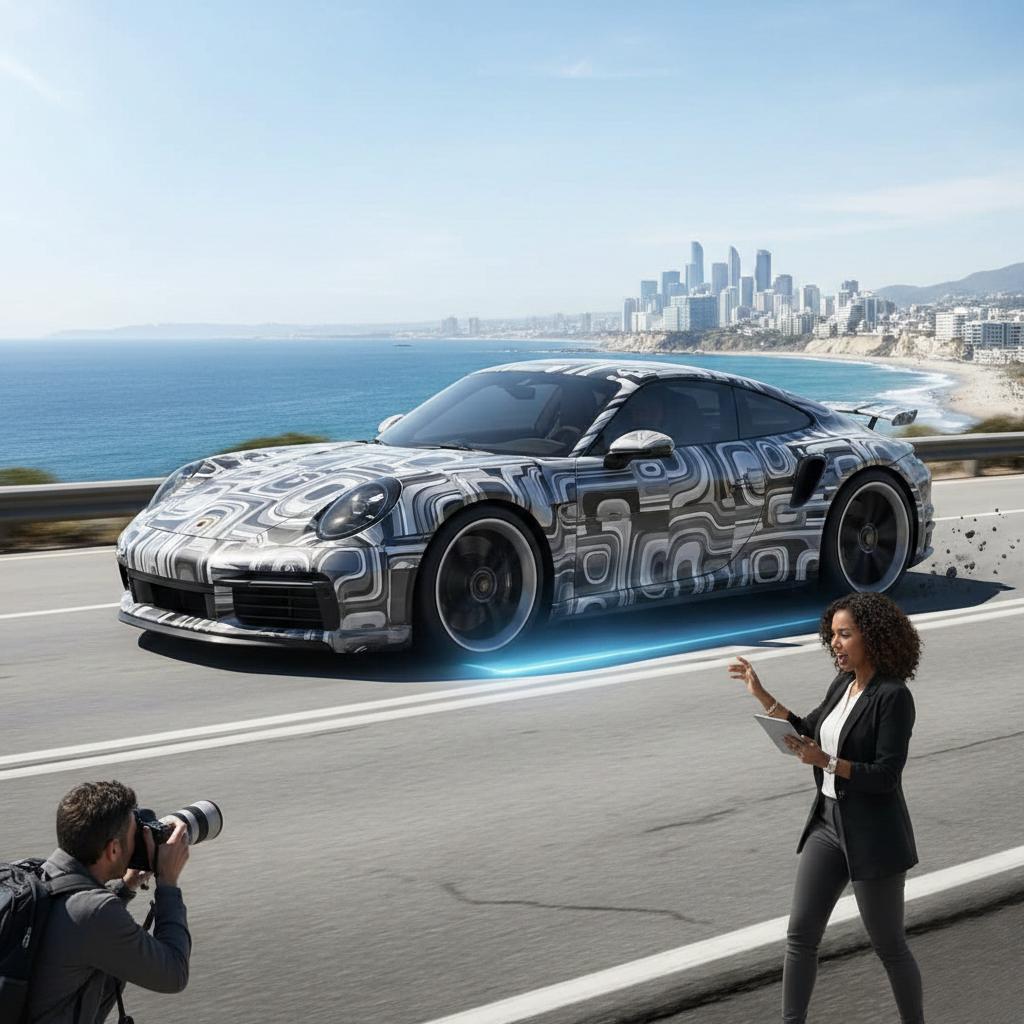
The development testing for the electric 911 has been fascinating to follow. Porsche’s been running prototypes at the Nürburgring, their Weissach test facility, and various cold weather testing locations. The camouflaged test mules reveal some interesting design choices that differ from the traditional 911 formula.
The most obvious change is the body proportions. The electric 911 sits slightly higher than the current generation—not by much, maybe an inch or so—but enough to accommodate the battery pack beneath the floor. The wheelbase appears marginally longer, which should improve interior space and potentially enhance stability at high speeds. The wider track, particularly noticeable at the rear, hints at the need to manage significant power and torque.
What caught my attention in the spy photos is how Porsche’s maintained the iconic silhouette. Despite the electric powertrain requiring different packaging, the sloping roofline, the distinctive rear haunches, and the overall stance remain unmistakably 911. This attention to design continuity shows Porsche understands they can’t mess with the visual formula that’s made this car legendary.
The cooling requirements for high-performance EVs are significant, and the test mules show enlarged front intakes and modified rear venting. During track sessions, managing battery temperature is critical for sustained performance—something that plagued early electric performance cars but has improved dramatically with vehicles like the 2026 Hyundai N Vision 74 showcasing advanced thermal management solutions.
| Aspect | Current 911 Turbo S | Electric 911 (Expected) |
|---|---|---|
| Powertrain | 3.8L twin-turbo flat-six | Dual-motor electric AWD |
| Power Output | 640 HP | 600-700 HP (est.) |
| 0-60 MPH | 2.6 seconds | Under 3.0 seconds (target) |
| Weight | 3,627 lbs | ~4,400-4,600 lbs (est.) |
| Driving Range | ~320 miles | 275-300 miles (est.) |
| Starting Price | $207,000 | $120,000-$140,000 (est.) |
The Platform Strategy Behind Electric Performance
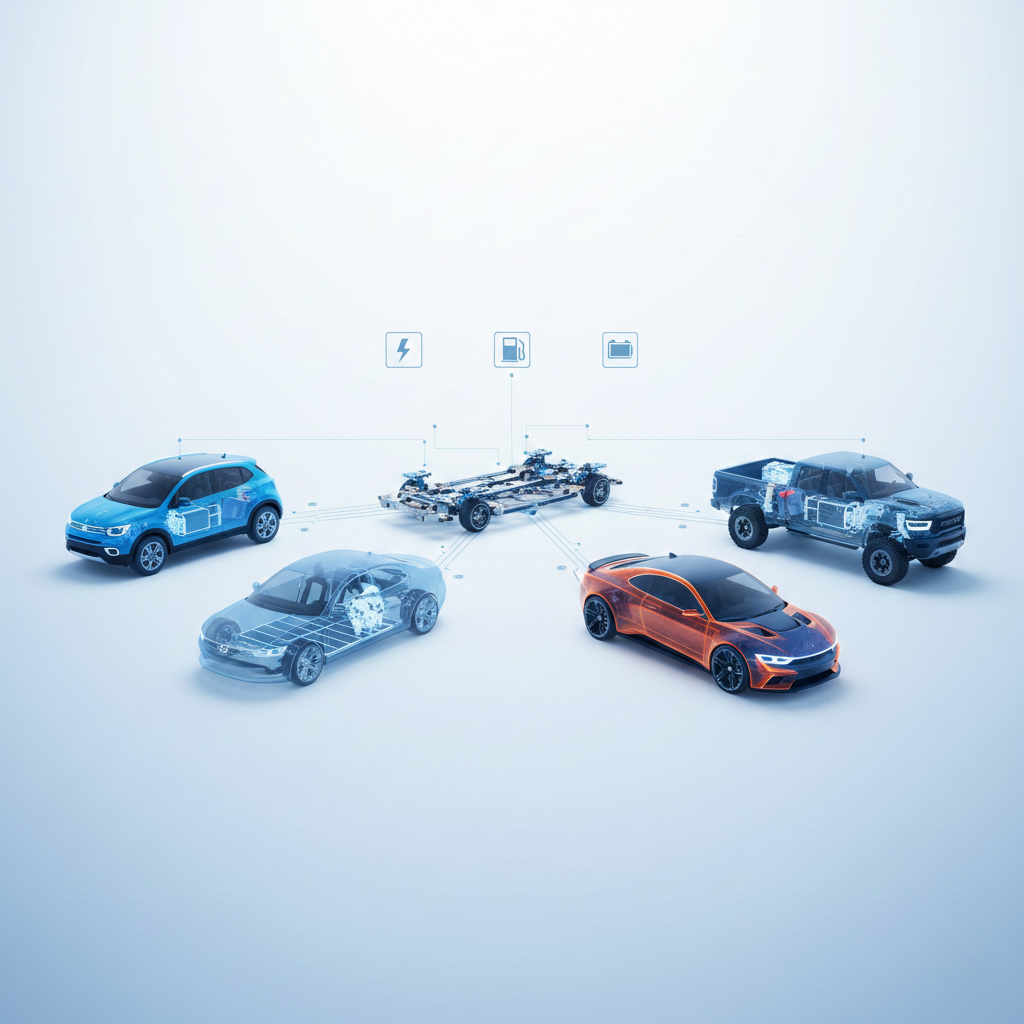
Porsche’s leveraging their Premium Platform Electric (PPE) architecture for the electric 911, but with significant modifications. The PPE platform was co-developed with Audi and already underpins the Macan EV. However, a 911 demands different characteristics than a crossover SUV, so Porsche’s essentially creating a performance-focused variant.
The battery pack is expected to be around 100 kWh, positioned as low as possible to maintain the 911’s legendary low center of gravity. One of the advantages of electric powertrains is the ability to position heavy components optimally for handling—something Porsche’s engineers have obsessed over for decades with the rear-engine layout. With batteries in the floor and motors front and rear, the weight distribution should actually improve over the traditional rear-heavy 911 setup.
What really excites me about Porsche’s approach is the dual-motor configuration. Unlike some EVs that use identical motors front and rear, Porsche’s likely tuning them differently—more powerful rear motor for that rear-biased character, with the front motor primarily for traction and torque vectoring. This philosophy mirrors how they tuned the Taycan, which despite being heavy, handles with genuine sports car precision.
The 800-volt electrical architecture from the Taycan will definitely carry over. This technology enables incredibly fast charging—up to 270 kW on capable DC fast chargers, adding about 60 miles of range in just 5 minutes. For a performance car that might see track use, this fast-charging capability addresses one of the biggest concerns about electric vehicles in high-performance applications.

Performance Targets That Actually Matter
Straight-line acceleration numbers are easy to achieve with electric motors—instant torque makes launching trivially simple. But Porsche knows that’s not what makes a 911 special. The real challenge is recreating the steering feel, the balance, the way a 911 rotates through corners, and that sense of connection between driver and machine.
During my research into Porsche’s development philosophy, I learned they’re obsessing over details most EV manufacturers ignore. Steering feel, for instance, is incredibly difficult to replicate in electric vehicles because you lose the natural feedback from engine vibrations and mechanical connections. Porsche’s reportedly tuning artificial feedback systems that provide realistic information about grip levels and road surface without feeling synthetic.
The weight issue is significant—early estimates suggest the electric 911 will weigh around 4,400-4,600 pounds, roughly 800-1,000 pounds more than a comparable gas-powered 911. That’s a lot of extra mass to manage, though it’s worth noting this is still lighter than many electric performance vehicles. The 2026 Ford Mustang GTD weighs about 3,850 pounds with its supercharged V8, showing that even traditional performance cars are getting heavier with modern technology.
Porsche’s targeting a Nürburgring lap time that matches or exceeds the current 911 Turbo S, which has lapped the Nordschleife in around 7:25. That’s an incredibly ambitious goal for an EV, requiring not just raw power but sophisticated thermal management to prevent battery and motor overheating during a 13-mile, high-speed lap.
Why This Could Actually Work:
- Instant torque delivery provides incredible acceleration response
- Lower center of gravity improves handling dynamics
- Torque vectoring enables precise cornering control
- Silent operation allows you to hear tire squeal and wind noise
- Reduced maintenance compared to complex turbocharged engines
- Parallel lineup means gas 911s continue for purists
- Porsche’s proven EV expertise with Taycan success
The Undeniable Challenges:
- Significantly heavier than gas-powered 911s (~800-1,000 lbs more)
- Lacks the emotional appeal of flat-six engine sound
- Range decreases dramatically during spirited driving
- Charging infrastructure limitations for long-distance touring
- Battery degradation concerns for track-focused use
- Higher initial purchase price than comparable gas models
- Resale value uncertainty in rapidly evolving EV market
The Sound Issue Nobody Wants to Talk About
Let’s address the elephant in the room—a silent 911 feels fundamentally wrong. The flat-six engine’s distinctive sound is as much a part of the 911 identity as its shape or performance. I’ve driven various 911s over the years, from classic air-cooled models to modern turbocharged variants, and that sound always adds something intangible but crucial to the experience.
Porsche’s approach to this challenge will be fascinating to watch. They’ve stated publicly that they won’t add fake engine sounds—no pumped-in audio through the speakers pretending to be an engine. Instead, they’re focusing on amplifying the natural sounds of an electric drivetrain: the whir of electric motors under acceleration, the whoosh of regenerative braking, the subtle mechanical noises that most EVs try to hide.
What changed my thinking on this was experiencing the Taycan Turbo S. When you drive it in anger, there’s a distinctive sci-fi soundtrack that’s actually quite addictive. It’s not trying to sound like a combustion engine—it’s creating its own acoustic signature. The electric 911 will likely take this approach further, potentially creating a sound that becomes iconic in its own right.
Some enthusiasts compare this to the transition from air-cooled to water-cooled 911s in 1998, which was equally controversial. Purists predicted the death of the 911’s character, but the water-cooled 996 generation and its successors proved you could modernize while maintaining the essential 911 spirit. Perhaps the electric transition will follow a similar trajectory.
How It Compares to the Competition
The electric performance car segment is heating up rapidly, and Porsche’s entry will face serious competition from established players and newcomers alike. The comparison isn’t just about numbers—it’s about whether Porsche can create an electric driving experience that feels worth the 911 badge.
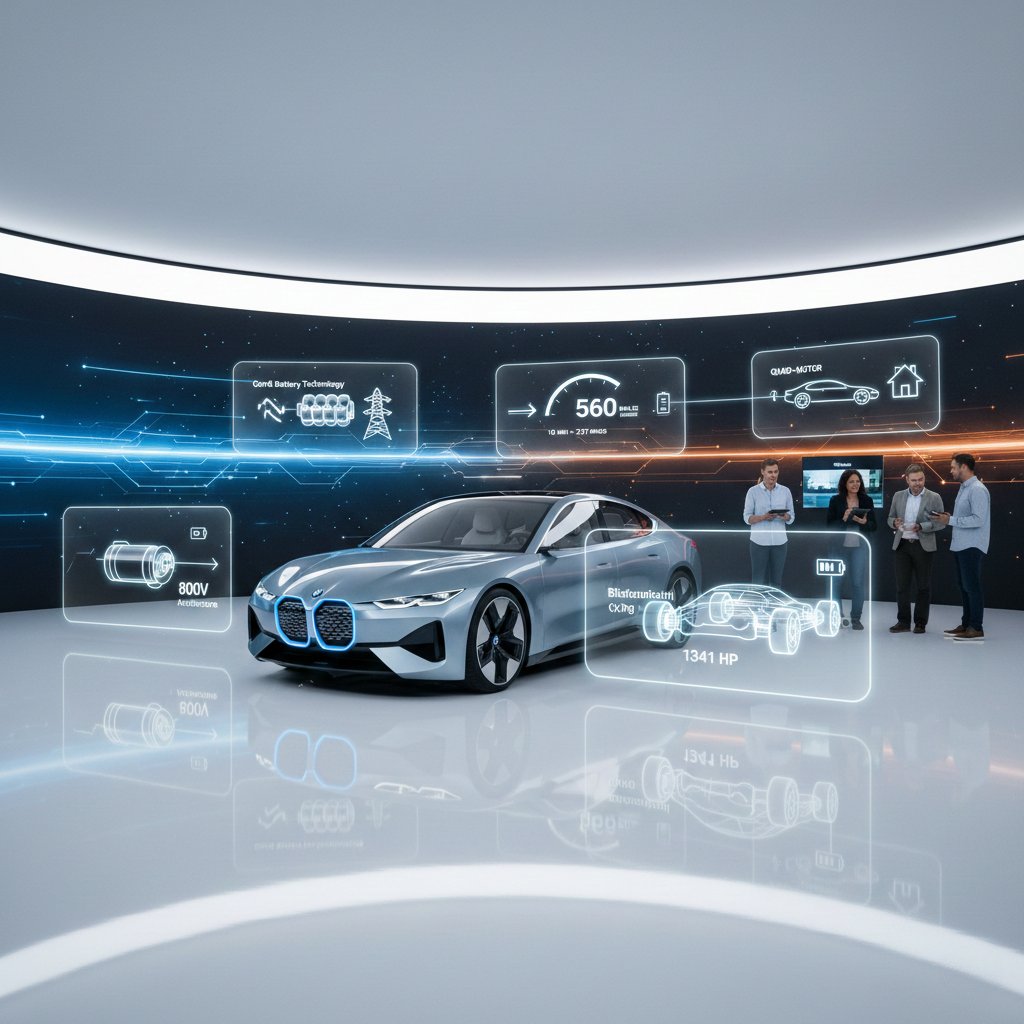
The BMW Neue Klasse electric platform will spawn M-performance variants that will compete directly with the electric 911. BMW’s advantage is they’re starting fresh without the baggage of heritage—they can create something new without worrying about upsetting traditionalists. But they also lack the decades of rear-engine, rear-wheel-drive balance that Porsche has perfected.
Lucid’s Air Sapphire offers over 1,200 horsepower and sub-2-second 0-60 times, proving that raw performance isn’t the limiting factor for electric vehicles. But nobody’s buying a Lucid for the driving experience or emotional connection—it’s about luxury and straight-line speed. The electric 911 needs to deliver something deeper, something that makes you want to drive it on a Sunday morning with nowhere particular to go.
The upcoming Genesis Magma performance lineup represents another interesting competitor. Genesis is positioning these vehicles as legitimate alternatives to German performance cars, and their electric models could undercut Porsche on price while offering comparable performance. But Genesis lacks Porsche’s motorsports heritage and the intangible prestige that comes with the 911 badge.
| Model | Power | 0-60 MPH | Range | Starting Price |
|---|---|---|---|---|
| Porsche 911 Electric | 600-700 HP (est.) | <3.0 sec (target) | 275-300 miles (est.) | $120K-$140K (est.) |
| Porsche Taycan Turbo S | 750 HP (with overboost) | 2.6 seconds | 201-227 miles | $185,000 |
| Tesla Model S Plaid | 1,020 HP | 1.99 seconds | 396 miles | $108,490 |
| BMW i4 M50 | 536 HP | 3.7 seconds | 270 miles | $67,800 |
| Lucid Air Sapphire | 1,234 HP | 1.89 seconds | 427 miles | $249,000 |
The Market Strategy and Positioning
Porsche’s positioning of the electric 911 is absolutely critical to its success. They’re walking a tightrope—price it too high, and you’re competing with the Taycan Turbo while cannibalizing those sales. Price it too low, and you undermine the 911’s prestigious positioning.
My analysis suggests Porsche will position the base electric 911 somewhere between $120,000-$140,000, roughly equivalent to where a well-equipped 911 Carrera S lands today. This creates clear separation from the Taycan while remaining more accessible than the high-performance Turbo S models. Performance variants will inevitably follow—expect electric versions of the Turbo, GT3, and possibly even GT2 nomenclature with price tags stretching well above $200,000.
The parallel lineup strategy is brilliant from a business perspective. Porsche can cater to early adopters and environmentally conscious buyers with the electric model while maintaining the gas-powered 911s for traditionalists and markets where EV infrastructure isn’t ready. This hedge-your-bets approach minimizes risk while allowing them to test market response without betting the entire 911 brand on electric success.
Production volume will likely be limited initially—perhaps 20-30% of total 911 production in the first few years. This scarcity creates exclusivity and allows Porsche to work through any technical issues before ramping up. It’s a similar strategy to what we’re seeing with limited-production models like the 2027 Nissan GT-R Final Edition, where controlled production maintains brand prestige.
800V Architecture
Ultra-fast charging adds 60 miles in 5 minutes
Dual-Motor AWD
Front and rear motors with torque vectoring
Active Aerodynamics
Adaptive elements optimize efficiency and downforce
AI Thermal Management
Predictive cooling maintains track performance
Engineered Sound
Amplified electric drivetrain acoustics
Advanced Connectivity
OTA updates and remote diagnostics
What This Means for 911 Enthusiasts
As someone who genuinely loves the 911 and everything it represents, I have complicated feelings about the electric version. Part of me mourns the loss of that flat-six soundtrack and the mechanical simplicity (relative to modern turbos, anyway) that characterized earlier generations. But another part of me is genuinely excited to see how Porsche applies their obsessive engineering perfectionism to electric performance.
The reality is that the 911 has always evolved. From the original 901 to the air-cooled 993, to the controversial water-cooled 996, to today’s turbocharged 992—each generation brought changes that horrified purists until the cars proved themselves. The electric 911 represents the biggest evolution yet, but it’s not replacing the gas-powered versions, at least not immediately.
For enthusiasts concerned about the future, Porsche’s parallel lineup strategy provides reassurance. You’ll still be able to buy a gas-powered 911 for years to come. The electric version simply adds another option for those who want cutting-edge technology or need to comply with emission regulations in their area.
What I hope happens is that the electric 911 attracts a new generation of enthusiasts who might not have considered a traditional sports car. Young buyers who grew up with electric vehicles might find the electric 911 more appealing than a gas-powered version. If Porsche can bring new people into the 911 community while keeping existing fans happy with continued gas options, that’s a win for everyone.
The Testing Timeline and Launch Strategy
Based on current development timelines and testing schedules, here’s what we can expect over the next 18-24 months. Porsche’s typically methodical in their development process, and the electric 911 is getting extra scrutiny given its importance to the brand.
Testing will continue through most of 2025, with prototypes undergoing extreme weather testing, durability trials, and countless laps at the Nürburgring. Porsche’s target is to complete at least 500,000 test miles before production begins—significantly more than typical for a new model, reflecting the stakes involved.
The official reveal will likely happen in late 2025 or early 2026, possibly at the Frankfurt Motor Show or as a standalone digital event. Porsche loves to control the narrative around 911 launches, and they’ll want maximum impact for such a significant announcement. Production should start by mid-2026, with first customer deliveries happening late 2026 as 2027 model year vehicles.
Initial production will be limited to specific markets—likely starting with Europe where regulatory pressures are strongest and EV infrastructure is most developed. US deliveries should follow within a few months, with Porsche prioritizing California, the Northeast corridor, and other areas with robust charging networks.
Development Timeline
2024-2025: Intensive testing phase across multiple continents and conditions
Late 2025: Official reveal expected at major auto show or digital event
Mid-2026: Production begins at Zuffenhausen factory in Germany
Late 2026: First customer deliveries in Europe
Early 2027: US market deliveries begin

The Bigger Picture for Performance Cars
The electric 911’s development represents more than just one model—it’s a referendum on whether electric powertrains can deliver authentic sports car experiences. If Porsche succeeds, it opens the door for other manufacturers to electrify their performance icons without facing accusations of selling out.
We’re already seeing this shift across the industry. The 2026 Mazda CX-70 PHEV shows how plug-in hybrid technology is becoming mainstream, while the 2026 Toyota Tacoma EV proves that even trucks are going electric. Performance cars are the next frontier, and Porsche’s leading the charge with the electric 911.
What fascinates me most is how this might influence the broader sports car market. If the electric 911 succeeds critically and commercially, expect rapid acceleration in electric performance car development. Ferrari’s already committed to electric models, Lamborghini’s exploring hybrid and electric powertrains, and even McLaren’s announced electric vehicles in their future plans.
The alternative is equally interesting—if the electric 911 struggles to win over enthusiasts, it could slow the industry’s rush toward electrification and validate the hybrid approach that maintains combustion engines while reducing emissions. Either outcome will shape automotive performance for decades to come.
Final Thoughts: Optimistic But Cautious
After spending weeks researching the electric 911 development, analyzing spy shots, speaking with industry contacts, and thinking deeply about what this means for the automotive world, I’m cautiously optimistic. Porsche has earned the benefit of the doubt through decades of engineering excellence and their impressive work on the Taycan.
But I’m also realistic about the challenges. Creating an electric vehicle that justifies wearing the 911 badge requires more than just impressive performance numbers. It demands soul, character, and that indefinable quality that makes you want to drive it even when you don’t need to go anywhere. Whether Porsche can bottle that magic in electric form remains to be seen.
What I appreciate most is Porsche’s approach—they’re not abandoning the gas-powered 911, they’re adding an electric option for those who want it. This parallel strategy respects heritage while embracing the future, giving enthusiasts choices rather than forcing change.
The next 18-24 months will be fascinating as more details emerge and we get closer to the official reveal. I’ll be watching every development, analyzing every spy shot, and ultimately hoping that Porsche proves electric powertrains can deliver authentic sports car thrills. If anyone can do it, Porsche can.
For those of us who love the 911 and everything it represents, this is either the beginning of an exciting new chapter or the end of an era. I’m hoping—and betting—on the former. Only time will tell if Porsche’s gamble pays off, but I can’t wait to find out.
Will the electric 911 replace gas-powered models?
No. Porsche has confirmed they plan to offer gas-powered and electric 911s simultaneously as separate model lines. This parallel strategy allows them to serve both traditional enthusiasts and buyers who want electric powertrains.
How much will the electric Porsche 911 cost?
Based on industry analysis and Porsche’s positioning strategy, expect base pricing around $120,000-$140,000, roughly equivalent to a well-equipped 911 Carrera S. Performance variants will likely exceed $200,000.
When will the electric 911 be available?
Production is expected to begin in mid-2026, with first deliveries happening late 2026 or early 2027 as 2027 model year vehicles. Initial availability will be limited to select markets with strong EV infrastructure.
What about charging time and range?
The electric 911 will use Porsche’s 800-volt architecture enabling ultra-fast charging—up to 270 kW on capable DC chargers, adding about 60 miles in 5 minutes. Total range is estimated at 275-300 miles, though this will decrease significantly during spirited driving or track use.