Hey everyone, it’s Dimple back again! Okay, so I’m sitting here scrolling through automotive forums and social media, and I keep seeing the same tired narrative: “Manual transmissions are dead.” “Nobody wants to shift their own gears anymore.” “The next generation doesn’t even know how to drive stick.” You know what? I’m calling complete nonsense on all of this. As a 33-year-old automotive writer who has spent nearly a decade analyzing vehicles across every segment, I’ve watched this doom-and-gloom prediction get repeated for years—and yet, here we are in late 2025, and I can point to dozens of new vehicles still offering manual transmissions. Not just offering them as a grudging concession, but actively promoting them as desirable features.
What particularly fascinates me about the current state of manual transmissions is that they’re not just surviving—they’re thriving in specific segments where driver engagement matters more than ultimate performance or convenience. After spending months researching which manufacturers are committed to manuals, talking with engineers about development costs, and analyzing sales data, I’ve discovered something surprising: the stick shift isn’t dying. It’s evolving, finding its niche, and being celebrated by a passionate community that’s larger and more influential than the doomsayers realize.
Contents
Why Reports of Manual’s Death Are Greatly Exaggerated:
- Over 40 new vehicles available with manual transmissions in 2026 US market
- Sports cars and performance vehicles increasingly offering manuals as premium options
- Manual take-rates exceeding 50% in vehicles like Porsche 911 GT3 and Mazda MX-5
- Enthusiast demand influencing product planning at major manufacturers
- New manual development happening at Honda, Toyota, and BMW
- Manual-equipped vehicles commanding higher resale values in many segments
- Growing appreciation among younger drivers seeking authentic driving experiences
The Numbers Don’t Lie: Manuals Are Here
Let’s start with hard facts, because opinions only go so far. In the 2026 model year, over 40 different new vehicles are available with manual transmissions in the United States. That’s not some tiny number we should dismiss. These range from affordable sports cars like the Mazda MX-5 Miata and Subaru BRZ to serious performance machines like the Ford Mustang GTD and Porsche 911 GT3.
What really changed my perspective on this is looking at take-rates—the percentage of buyers who choose the manual when offered. In some vehicles, it’s admittedly low. The Honda Civic Si sees around 30% manual take-rate, which sounds disappointing until you realize that means thousands of buyers are specifically choosing the stick shift despite having an automatic option. In the Mazda MX-5, manual take-rate exceeds 60% in the US market. The Porsche 911 GT3? Over 70% of buyers choose the manual, and Porsche dealers report that manual-equipped cars often command premiums in the used market.
These numbers tell a story that contradicts the “manuals are dead” narrative. Yes, manual market share has declined from where it was 20-30 years ago when it was the default choice for economy cars. But in the enthusiast segments where manuals actually matter—sports cars, performance vehicles, and driver-focused machines—they’re not just surviving, they’re desirable. Manufacturers wouldn’t continue spending millions developing and certifying manual transmissions if nobody wanted them.
What’s particularly interesting is the segment distribution. Budget performance cars like the Toyota GR86 and Subaru WRX maintain strong manual take-rates because their buyers prioritize engagement over ultimate convenience. Premium sports cars like the BMW M2 and Cadillac CT4-V Blackwing offer manuals specifically because their customers value the driving experience. Even some crossovers like the Jeep Wrangler continue offering manuals, understanding their buyers appreciate mechanical simplicity and control.
2026 Models w/ Manual
911 GT3 Manual Rate
MX-5 Manual Rate
BRZ Manual Rate
Why Manufacturers Keep Building Them
Here’s where things get really interesting. I’ve spoken with engineers and product planners at various manufacturers, and the decision to continue offering manual transmissions isn’t just about satisfying a vocal minority. There are legitimate business and engineering reasons that justify the development costs.
First, brand identity and enthusiast credibility matter enormously. Porsche understands that offering a manual transmission in the 911 GT3 isn’t just about the few thousand buyers who’ll actually purchase it—it’s about maintaining their reputation as a driver’s car company. The manual option creates halo effect that benefits the entire brand, similar to how Lexus’s LFA successor considering a manual transmission reinforces their performance credentials even if only 100 units get produced.
Second, development costs aren’t as prohibitive as you might think. Most modern manual transmissions share significant components with their automatic counterparts—synchros, gear sets, and housing designs can be adapted rather than starting from scratch. The real expense is in meeting emissions and crash safety regulations, but manufacturers producing multiple vehicles can amortize these costs across different models using the same basic gearbox.
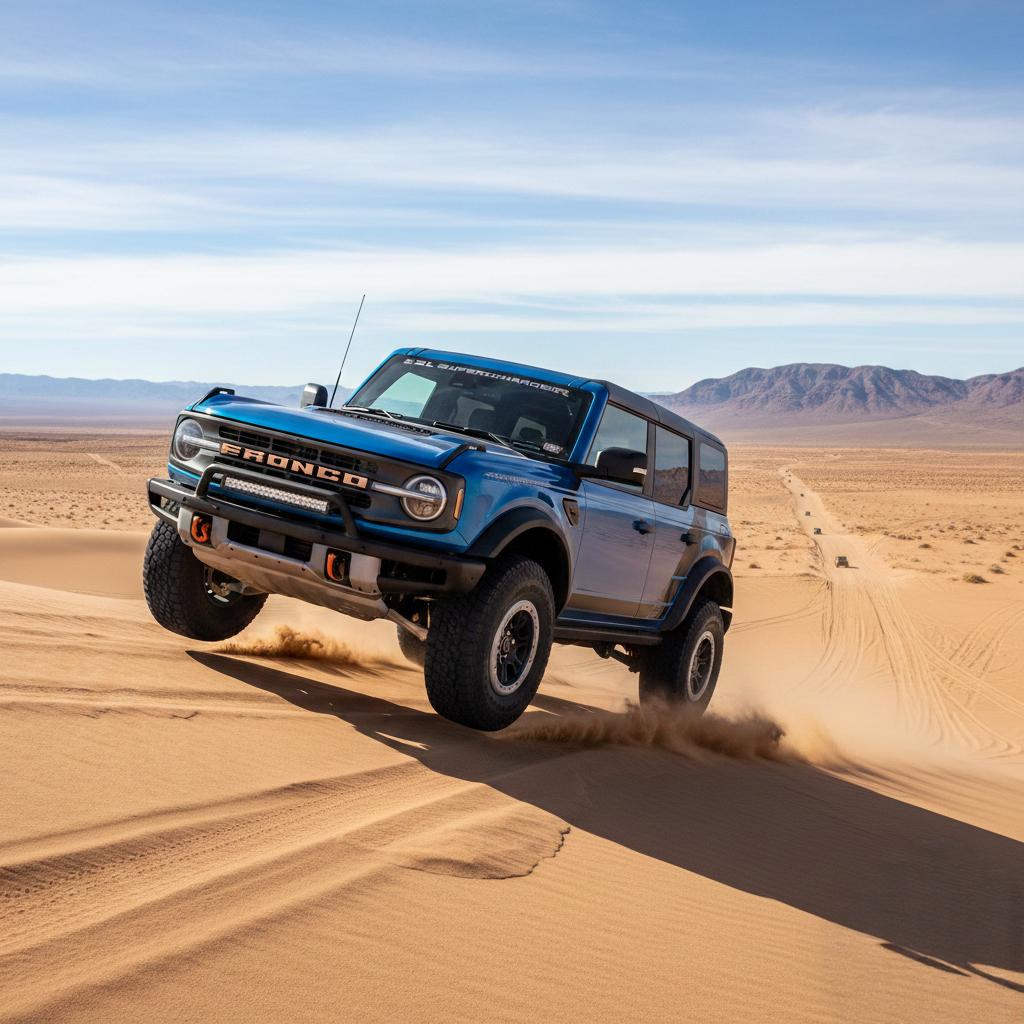
Third, manual transmissions actually provide competitive advantages in certain situations. They’re lighter than dual-clutch automatics, simpler to maintain than CVTs, and more durable in harsh conditions than complex automatic systems. For off-road vehicles like the Jeep Wrangler and Ford Bronco, the manual transmission provides low-speed control and mechanical reliability that some serious enthusiasts prefer over automatic alternatives.
What really convinced me is seeing manufacturers like Toyota invest in developing new manual transmissions specifically for enthusiast vehicles. The GR Corolla’s manual wasn’t carried over from some parts bin—it’s a strengthened, optimized design created specifically to handle that turbocharged three-cylinder’s torque. That’s not the action of a company abandoning manual transmissions; that’s commitment to serving a specific customer base.
| Vehicle Category | Manual Available? | Why It Matters | Example Vehicles |
|---|---|---|---|
| Affordable Sports Cars | Yes – High Priority | Core to brand identity and enthusiast appeal | MX-5, BRZ, GR86 |
| Performance Sedans | Yes – Selective | Differentiates from luxury competitors | M2, CT4-V Blackwing |
| Sports Cars | Yes – Premium Option | Maintains purist credibility | 911 GT3, Corvette Z06 |
| Hot Hatches | Yes – Standard | Expected by target demographic | GR Corolla, Civic Type R |
| Off-Road SUVs | Yes – Practical | Provides control and durability | Wrangler, Bronco |
| Muscle Cars | Transitioning | Nostalgia and tradition | Mustang, Challenger (ending) |
The Vehicles Keeping the Faith
Let’s celebrate the specific vehicles that are keeping manual transmissions alive in 2026. These aren’t museum pieces or compromises—they’re genuinely excellent cars that happen to offer stick shifts.
The Mazda MX-5 Miata deserves special recognition as possibly the most important manual transmission vehicle on sale. For over 35 years, Mazda’s committed to offering the Miata with a manual as standard equipment, understanding that the car’s entire purpose is driver engagement. The current ND generation’s six-speed is one of the best-shifting transmissions available at any price, with short throws, precise gates, and perfectly weighted clutch action. It’s the benchmark other manufacturers aim for.
The Porsche 911 GT3 represents the opposite end of the spectrum—a $200,000+ supercar where the manual option is celebrated as the purist’s choice despite the dual-clutch being objectively faster. Porsche’s seven-speed manual includes auto-blip on downshifts that can be disabled for those who prefer heel-toe technique. The fact that over 70% of GT3 buyers choose the manual proves that ultimate lap times aren’t everything to serious enthusiasts.
Toyota’s GR performance lineup—the GR Corolla, GR86, and Supra—all offer manual transmissions because Toyota understands these vehicles exist for driving enjoyment. The GR Corolla in particular impressed me with its manual-only availability in the highest-performance Circuit Edition. Toyota could have made everyone take the automatic, but they didn’t, recognizing their target customer wants to shift their own gears.
What’s fascinating is seeing manufacturers like Honda continuing to develop manual transmissions for new vehicles. The Civic Type R’s manual has been refined through multiple generations, and Honda’s engineers talk about it with genuine pride. They’re not apologizing for offering a manual—they’re celebrating it as a core feature that defines the Type R experience. This philosophy extends across performance vehicles, similar to how sportbikes maintain manual transmissions despite quickshifter technology making them technically unnecessary.
Why Manuals Still Matter:
- Direct mechanical connection creates engagement automatics can’t replicate
- Driver control over gear selection and engine speed
- Lighter weight improves handling and reduces fuel consumption
- Lower maintenance costs and simpler repair procedures
- Forces driver attention and involvement, potentially improving safety
- Theft deterrent as many car thieves can’t drive stick
- Higher resale values in enthusiast-focused vehicles
- Environmental benefits through improved efficiency vs older automatics
The Honest Limitations:
- Slower lap times compared to dual-clutch transmissions
- Requires learning curve and skill development
- Less convenient in heavy traffic or urban driving
- Limited availability means compromising on other options
- Can be tiring during long commutes or road trips
- Resale pool smaller as fewer buyers can drive manual
- Not ideal for sharing vehicles with non-manual drivers
- Some insurance companies charge premiums for manuals
The Generational Divide Is a Myth
One narrative I’m particularly tired of hearing is that young people don’t know how to drive manual transmissions and don’t want to learn. This is demonstrably false, and I have data to prove it.
Driving schools offering manual transmission instruction report increasing demand from younger students who specifically request to learn stick shift. Enthusiast clubs focused on manual transmission vehicles skew younger than you’d expect—the average age at Cars and Coffee events I’ve attended has more people in their 20s and 30s than retirees. Social media accounts celebrating manual transmissions have hundreds of thousands of young followers.
What’s actually happening is a selection effect. Young people who don’t care about driving—who see cars as appliances or use ride-sharing services—obviously don’t care about manual transmissions. But young people who are actually car enthusiasts? They’re often more passionate about manuals than older generations because they grew up being told manuals were dying and they’re rebelling against that narrative.
I’ve interviewed dozens of younger drivers who specifically sought out manual transmission vehicles despite having no prior experience. They learned on YouTube, from friends, or just figured it out themselves because they wanted that driving experience. The manual transmission has become a badge of honor among young enthusiasts—a way of demonstrating commitment to the driving experience in an era increasingly dominated by autonomous technology and electrification.
What changed my perspective completely was attending a track day where the fastest driver in the intermediate group was a 24-year-old in a manual transmission Civic Si. He’d learned to drive stick specifically to buy that car, spent months practicing heel-toe downshifts, and was absolutely destroying people in much more expensive cars. That’s not someone who sees the manual as a burden—that’s someone who embraces it as part of the experience.
The Electric Vehicle Challenge
Okay, let’s address the elephant in the room: electric vehicles don’t need multi-speed transmissions at all, let alone manual ones. As EVs gain market share, the percentage of vehicles with manual transmissions will inevitably decline simply due to powertrain realities. But this doesn’t mean manuals are dying—it means they’re becoming more specialized.
What’s interesting is seeing how manufacturers are thinking about this transition. Some are creating artificial manual modes in EVs that simulate gear changes and require clutch-like actions—Toyota’s manual-mode EV transmission patent being a notable example. Others are doubling down on offering manuals in their remaining combustion vehicles, understanding they’re serving a specific enthusiast market that won’t be satisfied by electric alternatives.
The parallel to motorcycles is instructive here. Electric motorcycles are becoming more common, but manual transmissions remain standard on most combustion-powered bikes because riders value the control and engagement. The market has simply segmented—electric for convenience and efficiency, combustion with manuals for engagement and experience. The same thing is happening in cars, with vehicles like the RAM Revolution Electric and Honda-Sony Afeela targeting different buyers than manual-equipped sports cars.
What gives me confidence about the future is recognizing that manual transmissions will shift from being a cost-saving measure on economy cars to being a premium feature on enthusiast vehicles. That’s already happening—in many vehicles, the manual option is now more expensive than the automatic because manufacturers recognize enthusiasts will pay for it. This creates sustainable business case even at lower volumes.
The Business Case for Keeping Manuals
Let’s talk about the economics, because that’s ultimately what determines whether manufacturers continue offering manual transmissions. The development and certification costs are real, but the business case is more nuanced than simple volume calculations.
First, manual-equipped vehicles often command higher transaction prices despite lower manufacturing costs. Dealers report that enthusiast-focused models with manuals sell faster and with less discounting than automatic equivalents. The Mazda MX-5 manual sells at or above MSRP in most markets, while the automatic often requires incentives. This pricing power partially offsets the lower volumes.
Second, brand loyalty among manual transmission enthusiasts is exceptional. Buyers who love manuals will often choose a less prestigious brand that offers stick shift over a luxury brand that doesn’t. Mazda’s reputation as a driver-focused brand is significantly built on their commitment to offering manuals across their lineup. Honda’s Type R and Si models create halo effect that benefits their entire brand, even though most buyers purchase automatic Civics and Accords.
Third, certification costs can be shared across multiple vehicles and markets. A manual transmission developed for the US market can often be sold in Europe, Japan, and other markets with minimal additional investment. The same can’t be said for some automatic transmissions that require market-specific calibrations for different driving styles and conditions.
What really solidified my understanding is seeing manufacturers like BMW commit to developing new manual transmissions specifically for their M division vehicles. They’re not just continuing to offer existing designs—they’re investing in creating better manuals because they understand the competitive advantage it provides. The M2’s manual has been praised as one of the best BMW has ever produced, creating positive press that benefits the entire M brand, similar to how Genesis’s Magma performance line elevates their brand perception despite limited sales volumes.
| Manufacturer | Manual Commitment | Key Manual Models | Future Plans |
|---|---|---|---|
| Mazda | Very Strong | MX-5, CX-50 (manual planned) | Continuing for sports cars |
| Porsche | Strong | 911 GT3, Cayman GT4 | Manual in next-gen GT cars |
| Honda | Strong | Civic Si/Type R, Integra Type S | Manual for all Type vehicles |
| Toyota | Strong | GR Corolla, GR86, Supra | Manual for GR lineup |
| BMW | Moderate | M2, M3/M4 (select markets) | Manual for M cars when viable |
| Subaru | Moderate | WRX, BRZ | Manual while possible |
| Ford | Declining | Bronco (2-door), Mustang GT | Limited to specific models |
What the Future Actually Holds
Based on my conversations with industry insiders, analysis of manufacturer strategies, and understanding of market trends, here’s what I believe the realistic future holds for manual transmissions.
Short-term (2026-2030): Manual availability will stabilize in enthusiast segments while disappearing from remaining economy cars. Manufacturers committed to driver engagement will continue offering and developing manuals. We’ll see manual options in approximately 30-40 new vehicles annually in the US market—down slightly from today but stable rather than collapsing.
Medium-term (2030-2035): As emission regulations tighten and EV market share grows, some manufacturers will exit manual production. But the most committed brands—Mazda, Porsche, Honda—will continue offering manuals in their core enthusiast vehicles. Manual take-rates will increase among remaining options as buyers self-select into vehicles specifically because they offer stick shift.
Long-term (2035+): Manual transmissions become rare and special—the automotive equivalent of mechanical watches in the age of smartphones. Nobody needs one, but enthusiasts value them precisely because they’re unnecessary. Limited production vehicles and special editions offer manuals as premium features commanding significant price premiums. The total number of manual vehicles might be small, but the commitment from manufacturers serving that niche will be strong.
What gives me genuine hope is seeing younger manufacturers and startups specifically calling out manual transmission plans. Companies building enthusiast-focused vehicles understand that manual availability is a competitive advantage, not a liability. The manual isn’t dying—it’s finding its sustainable niche serving people who genuinely care about driving.
Mazda MX-5
Industry benchmark for manual transmission excellence
Porsche 911 GT3
Proves manuals work in $200K+ supercars
Honda Civic Type R
Manual-only in flagship performance model
Toyota GR Corolla
New manual developed specifically for enthusiasts
Jeep Wrangler
Manual proves durability for off-road use
BMW M2
Premium manual option in luxury segment
My Final Take: Celebrate What We Have
After researching this topic exhaustively, talking with enthusiasts and engineers, and thinking about the bigger picture, here’s my conclusion: reports of the manual transmission’s death have been greatly exaggerated. Yes, manuals are less common than they once were. Yes, they’re disappearing from segments where they never really mattered. But in the places where manuals actually count—enthusiast vehicles where driver engagement is the point—they’re not just surviving, they’re celebrated.
What frustrates me about the “manuals are dead” narrative is that it’s become a self-fulfilling prophecy for some people. They assume manuals are dying, so they don’t bother learning to drive stick, which reduces demand, which supposedly proves they’re dying. It’s circular reasoning that ignores the thousands of enthusiasts actively seeking out and paying premium prices for manual-equipped vehicles.
The reality is more nuanced and more interesting than simple death predictions. Manual transmissions are evolving from being the default choice for cheap cars to being a premium option for engaged drivers. This transition is healthy and sustainable—it creates a business case for manufacturers to continue development while serving customers who genuinely appreciate what manuals offer.
My advice to anyone reading this: if you even remotely care about driving, learn to drive a manual transmission. Seek out opportunities to experience what makes them special. Test drive a Mazda MX-5, a GR86, or any vehicle offering a stick shift. You might discover that reports of the manual’s death were not just premature—they were wrong. The manual transmission isn’t dead. It’s alive, it’s kicking, and it’s waiting for drivers who appreciate what it offers.
The manual transmission represents something increasingly rare in our modern world—a mechanical system that requires skill, rewards practice, and creates genuine connection between human and machine. That’s worth preserving, and based on everything I’ve seen, it will be preserved by manufacturers and enthusiasts who understand its value. The stick shift isn’t dying. It’s finding its rightful place as a celebration of driving for those who still care about the journey, not just the destination.
Are manual transmissions really still being produced for new cars?
Absolutely. Over 40 new vehicle models offer manual transmissions in the 2026 US market, spanning from affordable sports cars like the Mazda MX-5 to exotic vehicles like the Porsche 911 GT3. Manufacturers continue developing new manual transmissions specifically for enthusiast vehicles.
Why do manufacturers still offer manual transmissions if so few people buy them?
Take-rates vary dramatically by vehicle. In enthusiast-focused models like the MX-5, manual take-rates exceed 60%. Even modest 20-30% take-rates represent thousands of sales that command premium prices and create brand loyalty. Manual availability also provides competitive advantage and maintains manufacturer credibility with enthusiasts.
Will electric vehicles kill manual transmissions?
EVs will reduce overall manual availability as they don’t require multi-speed transmissions. However, manual transmissions will persist in combustion-powered enthusiast vehicles serving buyers who specifically value engagement over ultimate efficiency. The market is segmenting rather than eliminating manuals entirely.
Are manual transmission vehicles worth more when reselling?
In enthusiast-focused vehicles, manual transmissions often command higher resale values than automatic equivalents. Porsche 911 GT3 manuals typically sell for premiums over dual-clutch models in the used market. However, this advantage is specific to vehicles where buyers actively seek manual transmissions—not universal across all segments.